A land of untamed countryside bordered by pristine Mediterranean waters, it’s easy to view Sardinia through a rose-tinted lens. But lately, it’s all about the blues on this low-key Italian island. In September 2025, the historic town of Arzachena in northeastern Sardinia was announced as a new Blue Zone, joining the established longevity heartlands of Ogliastra and Barbagia. More recently, the mountain town of Bolotana has also been identified by researchers as another candidate due to the exceptional lifespans of its female residents – a notable contrast to the original Sardinian Blue Zone, which is renowned for its unusually high proportion of male centenarians.
Luckily for us, the secrets of longevity here aren’t entirely shrouded in mystery. Characterised by shared lifestyle, dietary and social habits associated with healthy ageing, the Sardinian approach to a long life is, simply put, to live slowly. Embracing the art of slow living is something we’re well versed in, and it just so happens to be a perfect union – or un connubio perfetto – with a luxury Sardinia holiday. From mastering the craft of making heirloom pastas from scratch to walking ancient shepherd trails, here’s how you can embrace the spirit of the Blue Zone lifestyle on your next Sardinian escape.
GET A TASTE FOR THE LOCAL DIET
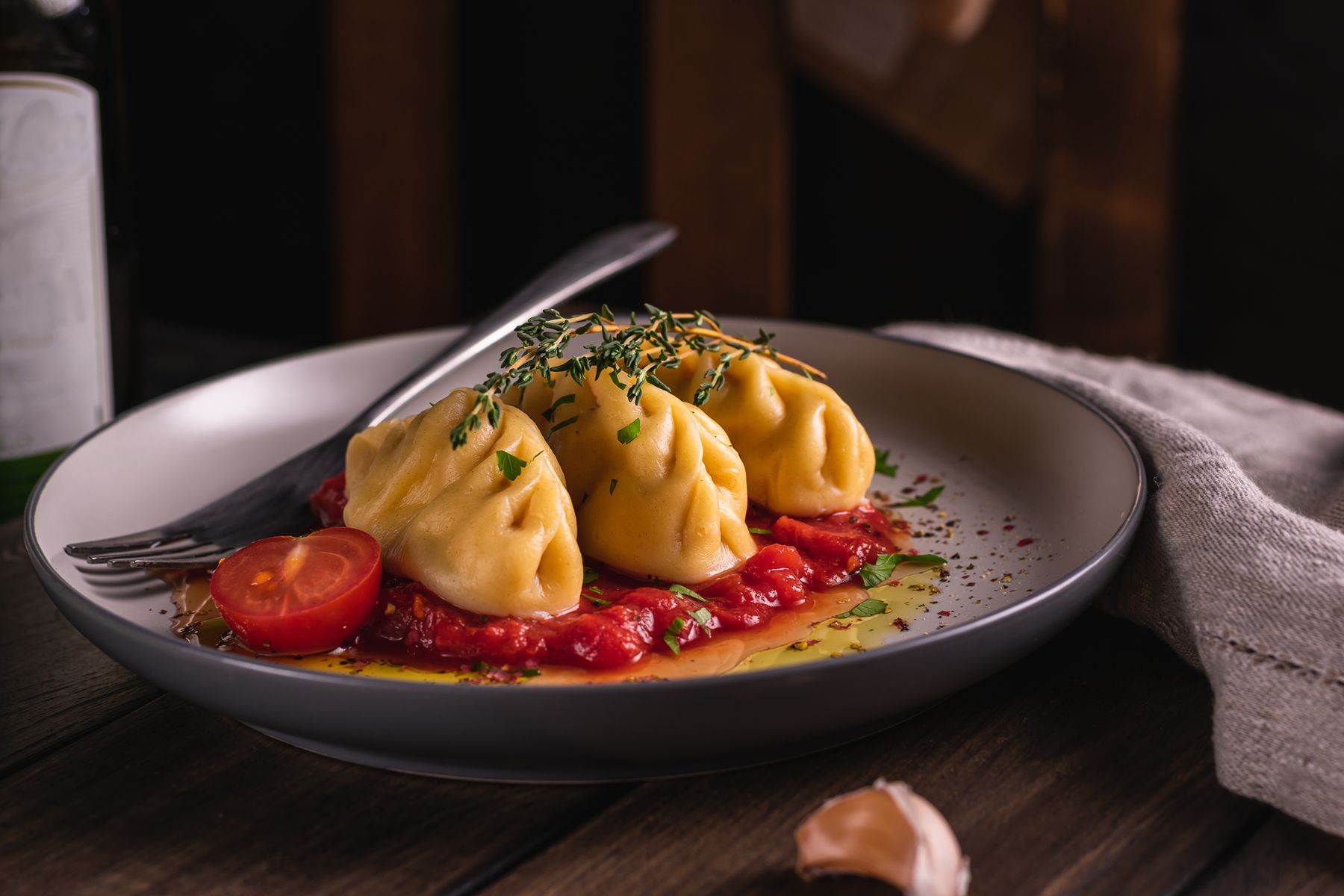
The general rule of thumb in Sardinia is that meals are seasonal and shared. Staples of the Blue Zone diet include fava beans, chickpeas, tomatoes, leafy greens and sourdough bread, alongside healthy plant fats like extra-virgin olive oil and aged sheep's milk cheese to boost gut health. Meat is eaten sparingly, fish modestly, and refined sugar intake kept to a minimum, with Cannonau wine, a native red rich in polyphenols, accompanying meals.
That’s not to say you can’t indulge in other Sardinian cuisine. Savouring fresh ingredients at leisure, in good company, is, after all, at the heart of the island’s identity. Sample delectable dishes like fregola with clams plucked straight from the sea that morning, malloreddus served in a robust ragù with fennel-spiced sausage and pecorino, and crispy pane carasau, drizzled with olive oil. A Mirto spritz, made with a dark myrtle berry liqueur, serves up an aromatic aperitivo.
To really get under the skin of Sardinia’s food culture, you’ll want to get hands-on. We can organise an olive oil masterclass, where you’ll discover the art of harvesting, pressing and tasting this treasured ingredient, or a pasta cooking course that’ll see you turning hand-kneaded dough into dishes of delicate Gallurese ravioli. Then there are sommelier-led visits to the region’s boutique wineries, acquainting you with the island’s signature Vermentino and Cannonau wines. End the day content in both appetite and mind, and you’ll have captured what it means to eat well in Sardinia.
ADOPT THE LIFESTYLE OF THE LAND
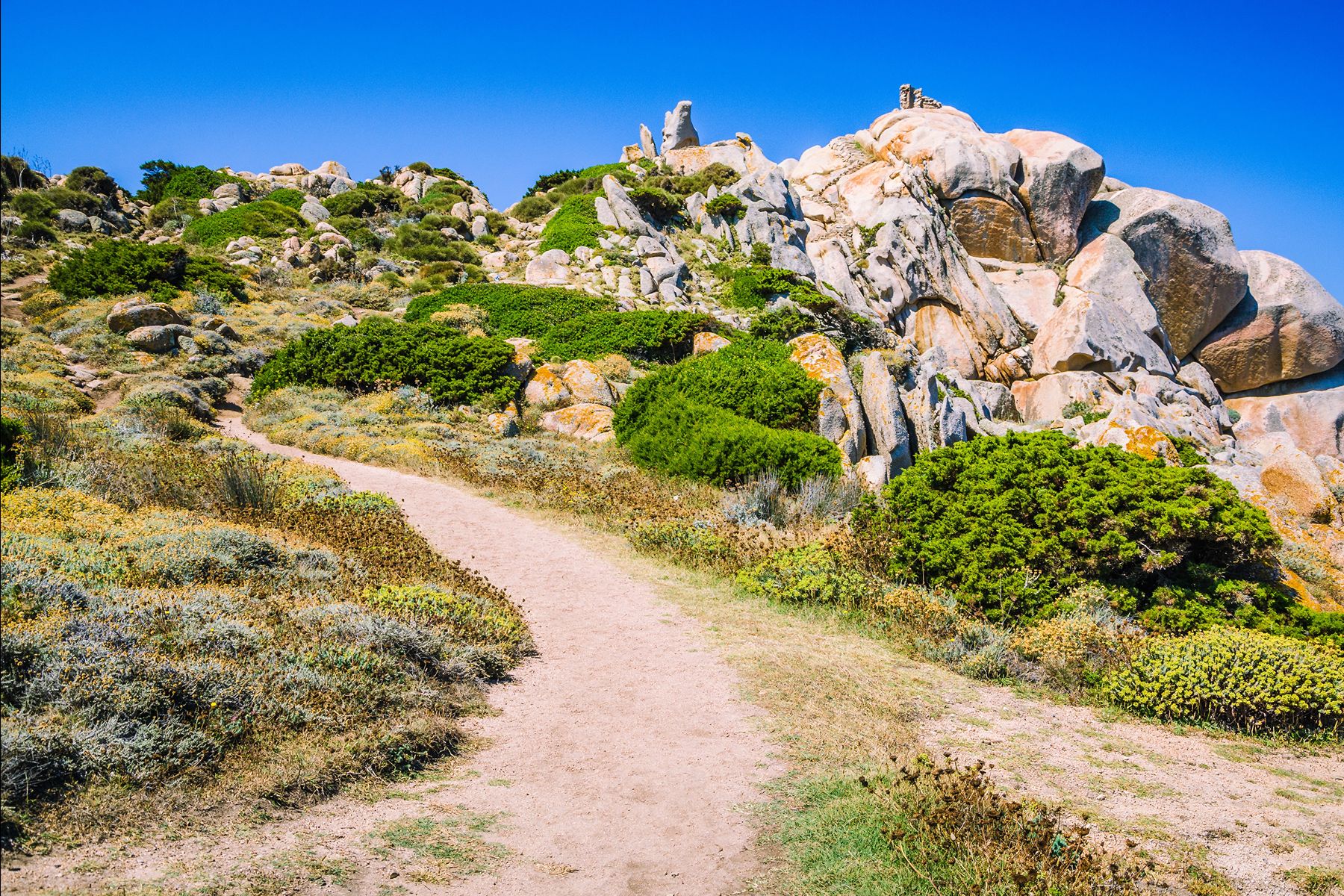
In Sardinia’s Blue Zone, living in harmony with the natural environment is woven into the fabric of daily life. Tending to vegetable gardens, caring for animals that graze on rocky terrain and carrying out chores outdoors provide opportunities for natural movement and time spent in the fresh air, both thought to contribute to physical and mental wellbeing. Follow their example and you may just earn your own share of those feel-good endorphins.
Criss-crossing the island’s mountainous interior, Sardinia’s sentieri dei pastori were etched into the earth by the movement of shepherds and their herds over generations. Fortunately, you don’t need your own flock of sheep to enjoy them. A privately guided walk will lead you through fragrant holm oak forests, over karst plateaus and past age-old cuiles – shepherds’ huts built from stone and timber. Along the way, you might hear the haunting harmonies of canto a tenore (polyphonic folk singing), pause for a picnic of regional specialities or even witness a traditional livestock migration, known as transumanza.
In Benetutti, a soak in the thermal springs is the Sardinian equivalent of a hydrotherapy session. The mineral-rich waters have been prized for their reputed therapeutic properties, including anti-inflammatory and circulation benefits. While one dip may not deliver immediate remedies, the naturally heated pools, with waters ranging from approximately 34C (93F) to 43C (109F), offer a rather idyllic opportunity to unwind alfresco. Elsewhere, we can arrange a visit to the spectacular Su Gologone Spring, paired with a tour of Orgosolo’s vivid murals and lunch with local shepherds, layering Sardinia’s natural wonders with a deeper understanding of its cultural heritage.
CONNECT WITH THE COMMUNITY
A life spanning a century is often shaped by decades of enduring relationships, creating tight-knit social bonds that are believed to support emotional wellbeing and cognitive health. Centenarian or not, ageing is celebrated in Sardinian culture, placing elders at the very centre of family and village life. This can be seen in multigenerational households and the cherished Italian custom of the passeggiata – a languid evening stroll when families and neighbours gather in village squares, share an aperitivo or settle down for a game of cards.
In regions like Ogliastra and Barbagia, hospitality is deeply personal, and you’ll find a warm welcome into the flow of village life. A visit to an agriturismo – a working farm offering home-grown food and rooms for travellers – is a chance to connect with local hosts and fellow diners over generous, home-cooked meals. Time your trip to coincide with a sagra (festival) such as the annual Autunno in Barbagia to witness village communities come together for communal meals, markets and folk dancing.
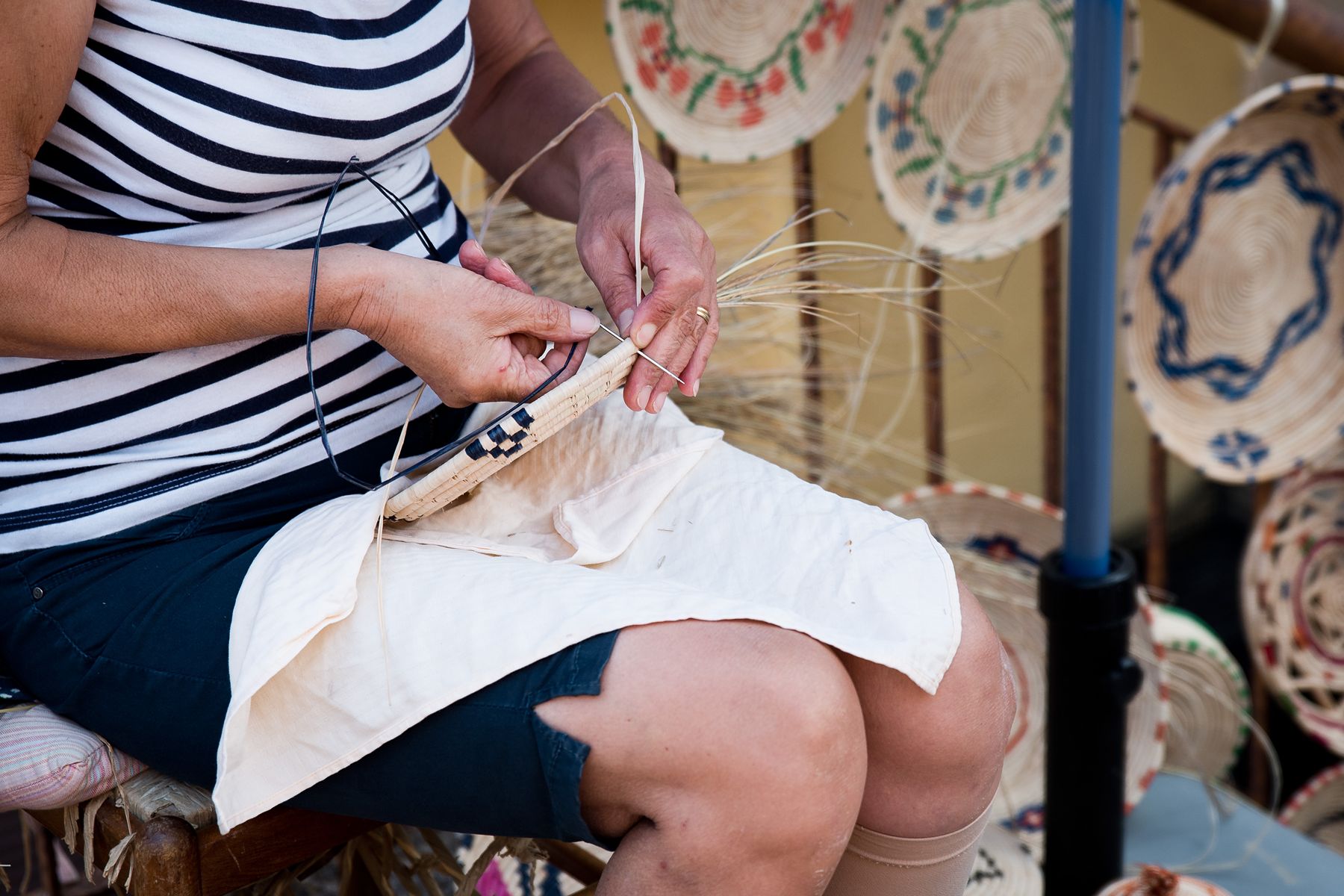
Even if you’re not staying in the Blue Zone, the sense of community is never far away. In the island’s northeast, San Pantaleo’s winding stone lanes are home to artisan boutiques and lively cafés where you can browse handcrafted wares and practice your passeggiata. To literally interlace with community life, we can arrange a private weaving or basketry workshop, learning techniques passed down through generations.
KEEP THE PACE OF LIFE MINDFUL
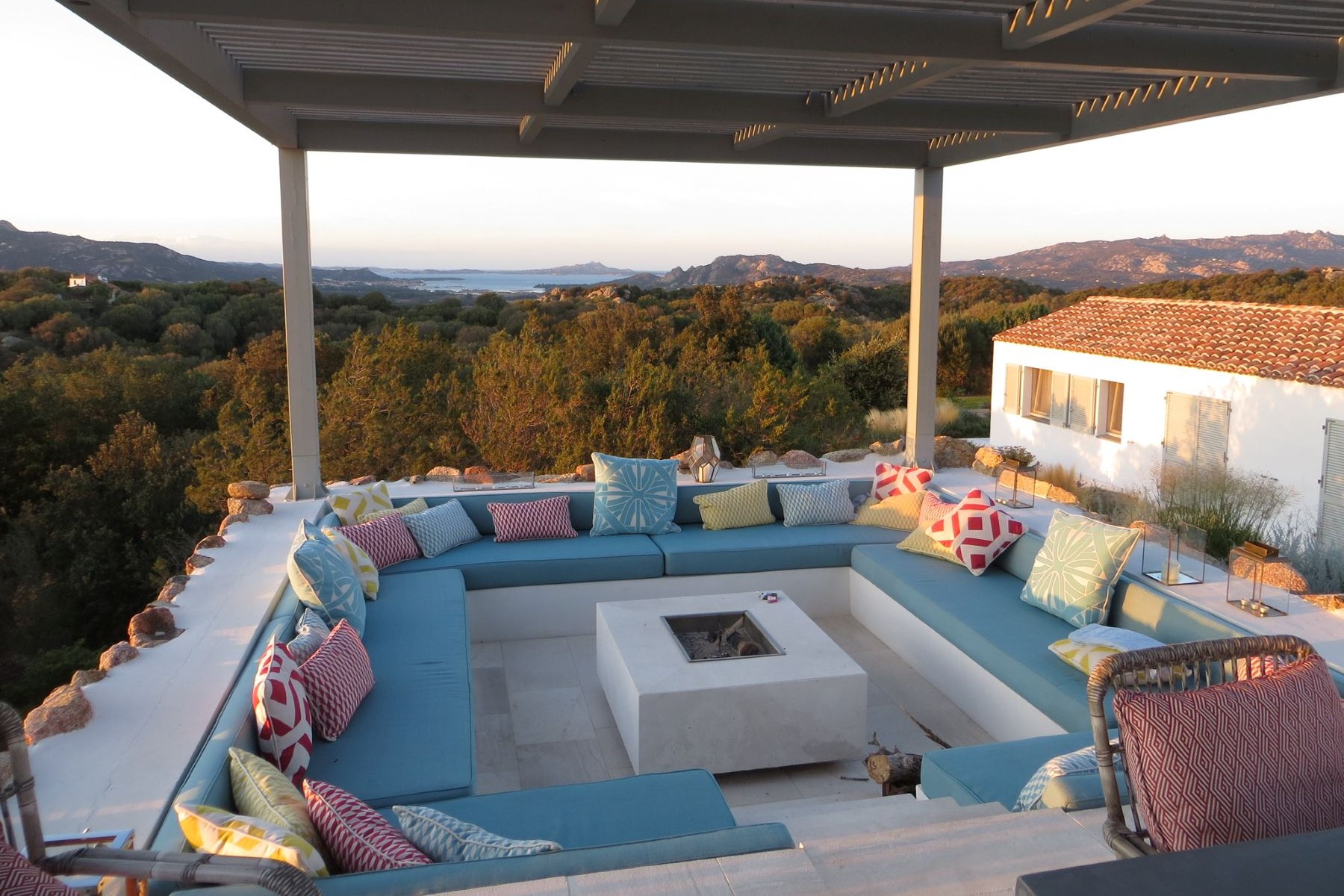
While modern life rarely encourages us to slow down, Sardinians have long understood the value of doing just that. Daily routines often run to the rhythm of nature, from the rising sun to the midday heat, and the ritual of the afternoon rest, sesta, remains an integral part of life in many rural communities. Shops typically close, shutters are drawn against the heat and families return home for a shared lunch and a period of rest, allowing for conversation and respite before the cooler, more sociable evening hours begin. Take note and use this time the Sardinian way, perhaps over a leisurely lunch, settling in with a good book or snoozing in the shade.
Closely aligned with this is il dolce far niente. Translating to ‘the sweetness of doing nothing’, it’s a mindset that favours presence over productivity. In Blue Zone villages, this can be as simple as sitting quietly on a stone bench, watching the world go by, or lingering over an espresso. Relaxing on a quiet beach or unwinding in the seclusion of a private Sardinia villa are equally appealing ways to embody the philosophy during your stay. It can also mean limiting digital distractions to feel more connected to the present or leaving gaps in your itinerary for spontaneous discoveries – perhaps stopping at a roadside shepherd’s stall for fresh pecorino or taking the time to chat with a local artisan.
If the rewards include a calmer mind and a renewed appreciation for life's simpler pleasures, what better incentive could there be to embrace slow travel in Sardinia? Let us know if you think of any.
Inspired by The Art of Slow Living in Sardinia?
Whether you envisage a privately guided journey through Sardinia’s Blue Zone villages or a restorative stay in a luxury villa, our Italy specialists can create a holiday that moves entirely at your own pace. Call us today on +44 (0)1242 787 808 to plan your tailor-made Sardinia escape.