THE SEASON AHEAD
Spring in South Korea is completely irresistible. Cherry blossoms sweep across cities and countryside alike, from Seoul’s riverside parks to the historic streets of Gyeongju. Temple gardens are particularly beautiful, filled with blooming azaleas, lanterns and intricate landscaping. It’s a photographer’s paradise. The clear skies and mild temperatures also make this a great time of year for outdoor adventures away from the towns and cities. There are plenty of places where you can reconnect with nature in South Korea. This could be a scenic hike in the foothills of Inwangsan, just outside Seoul, or a relaxing walk through the ancient Ahopsan Forest near Busan. You could even take the short hop to Jeju Island and go hiking or riding in invigorating landscapes of volcanic cliffs and wild beaches.
June marks the arrival of summer in South Korea, and this is the low season for international travel. Conditions get more humid and there’s more chance of rain. While it is still possible to visit over summer, if you are flexible on when you can travel then I recommend waiting until autumn. Like spring, this is a season that is blessed with wonderful weather for being outdoors. It also brings plenty of colour to parks, gardens and forests as the leaves start to turn.
Sam – April 2026
WHERE AND WHEN
When is the best time to visit South Korea?
The best times to visit South Korea are during the spring and autumn. Spring tends to arrive in South Korea in late March. Temperatures are getting milder (around 15C / 59F in Seoul, warmer in Busan), and the arrival of the cherry blossom in April makes this a delightful time to explore temples and gardens. You can also go hiking in South Korea’s national parks and the volcanic landscapes of Jeju Island before the arrival of the very hot weather in July.
The autumn is another time to fully immerse yourself in South Korea’s natural beauty. From October onwards, the heat and heavy rain of the summer season have finally subsided, and the autumn leaves are starting to turn. Throughout October and into early November you can see the landscapes come alive with glowing shades of orange and red in the trees. Temperatures are 18C (64F) on average in Seoul at this time (a little warmer around Busan), so this is a lovely time to be outdoors.
Winters in South Korea get very cold, which can limit where you are able to explore. Temperatures in Seoul often sit at 0C (32F) or lower between December and February, and there can be heavy snow – especially in the north of the country. Similarly, the peak summer months can present some challenging weather conditions for a South Korea tour. The period between June and August sees the highest rainfall (particularly in July), increased humidity, and busy local attractions as the Koreans take their holidays.
Where are the best places to visit in South Korea?
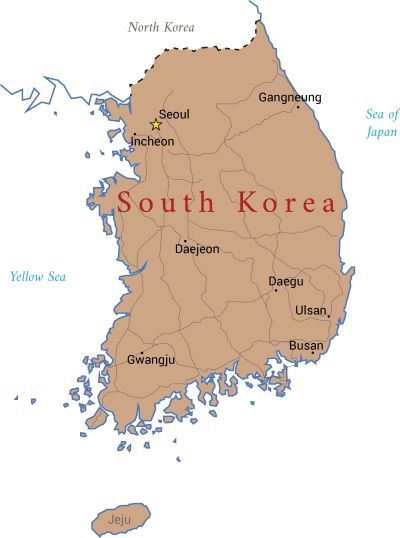
South Korea cultural tours usually begin in Seoul, where the nation’s capital city holds plenty of cultural and historic interest. Highlights include the magnificent Gyeongbokgung Palace and gardens, beautifully preserved Bukchon Hanok Village, Gwangjang covered market, and the fascinating neighbourhoods of artistic Insadong and lively Myeongdong.
Beyond Seoul, a quick and easy train journey transports you to Gyeongju, a true journey back in time. This small city was the ancient capital of Korea during the Silla Dynasty (57BC – 935AD), and Gyeongju’s UNESCO World Heritage status ensures it remains beautifully preserved, as something of a living museum. The historic centre has a lovely atmosphere, particularly in the evening, and the surrounds of Gyeongju boast an ancient complex of royal tombs as well as two of the country’s most important Buddhist temples.
Located on the south coast, Busan is another of South Korea’s highlights. This port city is one of intriguing contrasts, where the sprawling downtown with its heady markets and street vendors are quintessentially Southeast Asia, but are overlooked by the technicolour Gamcheon Cultural Village perched high on the hills. Busan is also home to city beaches, the world’s only UN cemetery, and the beautiful forest of Ahopsan on the outskirts of the city.
Finally, those with a little longer to spend should definitely make the effort to visit Jeju Island. A short flight from Busan, Jeju is a great place to experience South Korea’s natural beauty in the form of volcanic tuff cones, rugged coastlines, and nutmeg forests. It also has plenty of cultural attractions from the stunning Bonte Museum, designed by Tadao Ando, to the Seongeup Folk Village, and the Seogwipo Olle Market – a foodie paradise.