THE SEASON AHEAD
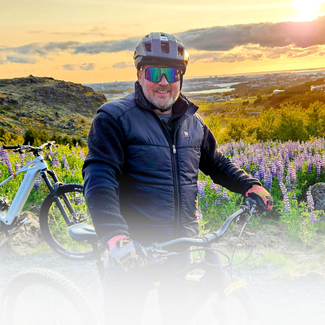
Iceland really is a destination for all seasons. Right now, in the heart of the summer, the days seem to stretch out endlessly. The midnight sun casts its glow across lava fields, glaciers and black-sand shores long after you feel the evening should have arrived. This is one of the only times of year you can head into the Highlands, and taking a guided tour by super jeep is one of the best ways to explore. You can marvel volcanic slopes of Landmannalaugar, which tower above landscapes of vast lakes and barren lava fields. Nearer the coast, there’s plenty to keep you occupied too. The Westman Islands are a haven for wildlife in the summer months, frequented by nesting puffins in the cliffs and majestic whales in the waters.
If you’ve left it too late to plan a summer holiday to Iceland, autumn is just as atmospheric. The birch forests and mossy lava fields take on warmer glow, and the air turns crisp enough to make hot springs feel even more irresistible. There are countless activities to enjoy around the Golden Circle and beyond. You can ride Icelandic ponies in the foothills of volcanic slopes, walk behind the spray of Seljalandsfoss, or descend into the depths of the Thrihnukagigur volcano. As autumn merges into winter and the longer nights return, all eyes turn to the skies for the first flicker of the Northern Lights.
Clare –July 2026
WHERE AND WHEN
When is the best time of year to visit Iceland?
Iceland is a destination that delivers wonderful experiences year-round, and where natural splendour shifts with the season. Summer (June to August) is one of the most popular times of year to visit Iceland. The days are long, the weather is mild and dry, and this makes activities like whale watching and hiking all the more enjoyable. The dramatic Highlands are also at their most accessible at this time of year. Average summer temperatures in Iceland range from 10C – 16C (50F – 60F).
Winter in Iceland brings the headline attraction of chasing the Northern Lights. While this is certainly an incredible spectacle if you are fortunate enough to witness it, there are plenty of other fabulous things to do in Iceland over winter. Winter sports abound, from heli-skiing to dog sledding, but even gentle explorations of Icelandic landscapes are all the more magical with a blanket of snow. Though there is regional variation, average winter temperatures in Iceland usually hover between -5C and 2C (23 – 35F).
The shoulder seasons of spring and autumn are also very enjoyable times of year to visit Iceland – particularly if you are looking for a quieter experience. Snowcapped mountains and a proliferation of wildflowers make Iceland a photographer’s paradise in spring. Autumn delivers many of the superb activities of the summer months, but with fewer people around. For more detailed information about the different attractions of Iceland in each season, please visit our expert's guide.
Where are the best places to visit in Iceland?
In Iceland you can enjoy so many one-of-a-kind experiences in one perfectly paced vacation. Our Iceland experts will advise on the best places to visit based on your specific interests and the amount of time you have, but some of the highlights include:
- The Golden Circle – This spectacular loop includes three of Iceland’s best-known natural wonders; the Thingvellir National Park (where tectonic plates visibly divide), the explosive geysers of the Haukadalur Geothermal Valley, and the thundering Gullfoss waterfall. The Golden Circle’s accessibility and diversity make it a popular place to visit, but our expert private guides will design a route for you away from the crowds. Read our guide on How to Visit Iceland in Style to learn about some of the more unusual experiences you can build into your explorations of the Golden Circle.
- Reykjavik – Iceland’s compact capital city is the country’s cultural heart, where contemporary art galleries, museums, and boutiques sit alongside Michelin-acclaimed restaurants serving inventive interpretations of Arctic cuisine. Ascend the tower of Hallgrímskirkja church for a broader panorama of Reykjavik’s distinctive character and geography. Here, in the crisp, clean air you’ll be able to appreciate the network of colourful iron houses that expand out from the centre, and the imposing peak of Mount Esja rising across the bay beyond.
- The South Coast – Easily reached from Reykjavik, Iceland’s southern shores are rich in drama. Here, black sand beaches meet ice-topped volcanoes and waterfalls thunder from towering cliffs. Walk behind the silvery cascade of Seljalandsfoss, feel the spray of mighty Skógafoss, or strap on crampons for a guided walk across Sólheimajökull glacier. At Reynisfjara beach, waves crash against basalt columns and jagged sea stacks rise from the surf, steeped in local legend.
- Reykjanes Peninsula – Jutting into the Atlantic just southwest of Reykjavik, the Reykjanes Peninsula is a raw, volcanic landscape shaped by the meeting of continents. This UNESCO Global Geopark is marked by steaming vents and ancient lava flows, evidence of the Mid-Atlantic Rift that splits the region in two. Geothermal wonders abound, and there are countless ways to experience them. Walk through the bubbling mud pools of Seltún, hike rugged sea cliffs at Reykjanestá, and visit Iceland’s oldest lighthouse at Valahnúkur. The peninsula is also home to an array of seabirds, crater lakes, and the world-famous Blue Lagoon.
- Northern Iceland & the Snæfellsnes Peninsula – The wild and lesser-visited north is a place to further appreciate Iceland’s geological intrigue and striking natural beauty. Around Lake Mývatn, craters, lava pillars, and wetlands create a surreal landscape, while nearby Dimmuborgir’s twisted lava formations feel almost otherworldly. The volcanic zone continues at Krafla and the Viti crater lake, with their steaming vents and turquoise waters. At Námaskarð Pass and Mount Námafjall, bubbling mud pots and sulphuric steam rise from the kaleidoscopic ground. To the west, Snæfellsnes delivers glacial peaks, sea cliffs, and coastal fishing villages; its astonishing variety earns the peninsula its nickname “Iceland in Miniature".
To venture even further off-the-beaten-track in Iceland, Thorsmork and the Highlands can be very rewarding places to explore during the summer months. In addition to visits to geothermal springs, glaciers and lava fields, this is a place to enjoy spectacular hikes in some of Iceland’s most dramatic mountain valleys. Remote trails lead to panoramic views of Eyjafjallajökull and Mýrdalsjökull. In the Highlands beyond, steaming fumaroles rise from Hveravellir’s geothermal fields, while rhyolite mountains and ice caps meet in Landmannalaugar. Travel by super jeep and even helicopter is often the best way to navigate some of the wilder terrain of the Icelandic Highlands.