Also known as the ‘Land of a Million Elephants’, Laos is the only landlocked country in Southeast Asia. But what it lacks in beaches it more than makes up for with its beautiful waterfalls, breathtaking mountainous landscape and fascinating hill tribe settlements. Find out more about what Laos has to offer.
LUANG PRABANG
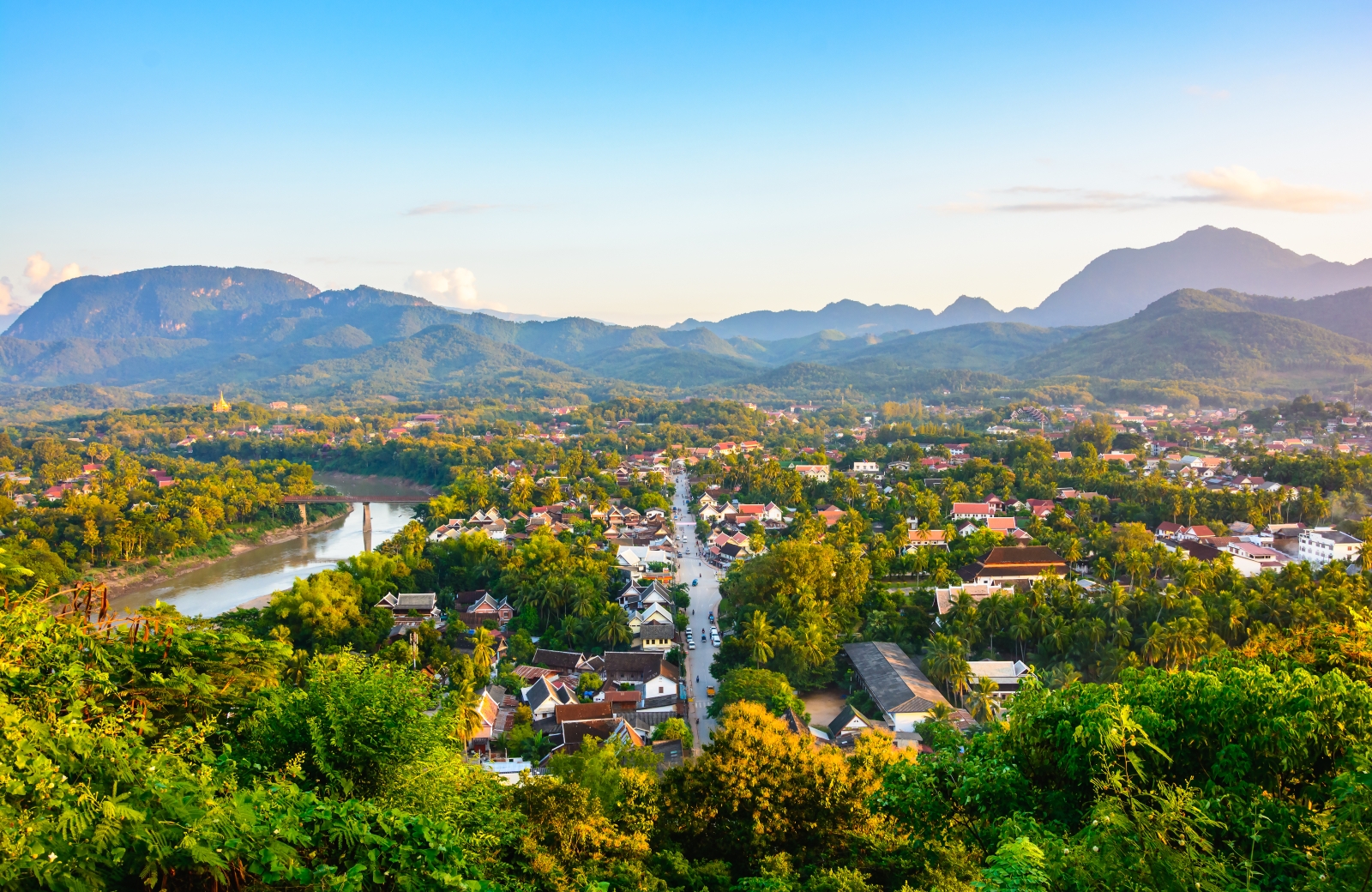
Luang Prabang – the ancient capital and former seat of the Lao Royal Family – sits pretty at the confluence of the mighty Mekong and Nam Kham rivers, in the heart of Laos’ mountainous north. Gently unfurling on a narrow lick of peninsula less than a kilometre long, the ancient centre is steeped in old-world charm, and it is thanks to its UNESCO-protected status that is has resisted modern development. Each morning, monks in burnt orange robes shuffle through the misty streets collecting alms, while French colonial architecture jostles for attention alongside majestic Buddhist temples, royal palaces and the enchanting Wat Xieng Thong monastery. Mount Phousi, Luang Prabang’s geographical and spiritual centre, offers the best vantage point from which to soak up views of the city and jungly outskirts beyond, while a boat trip upstream to marvel at the thousands of Buddha statues lining the Pak Ou caves is not to be missed.
BACK TO TOP
VIENTIANE
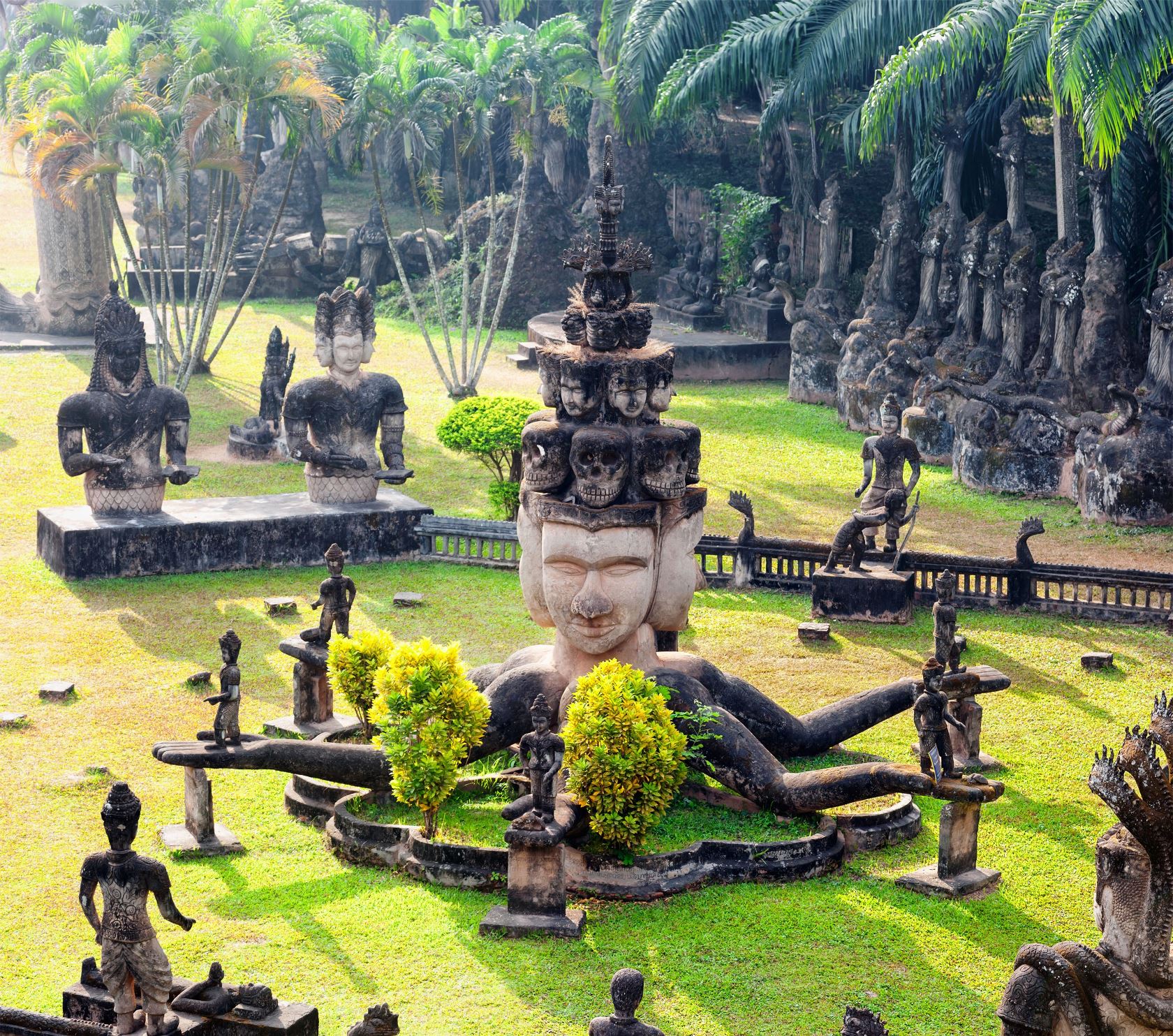
The absolute antithesis to every other southeast Asian capital, go-slow Vientiane’s small-town vibe perfectly complements Laos’ lackadaisical attitude that contributes so heavily to its charm. As a result of six decades under French colonial rule, French influences are woven throughout the fabric of the city, from the wide, bougainvillea-lined boulevards to the piles of freshly baked baguettes and flaky croissants in bakery windows and Vientiane’s thriving pavement café culture. There are just a handful of big-ticket sites in Vientiane: the extraordinarily beautiful Wa Si Saket temple, glittering That Luang (which reputedly houses Buddha’s breastbone) and the COPE Visitor Centre – a sobering insight into Laos’ more recent past in the crossfires of the Indo-China Wars. But the best way to really get under the skin of Vientiane is simply by heading down to the river at sundown, and cracking open a cold beer with the delightfully hospitable locals.
BACK TO TOP
CHAMPASAK
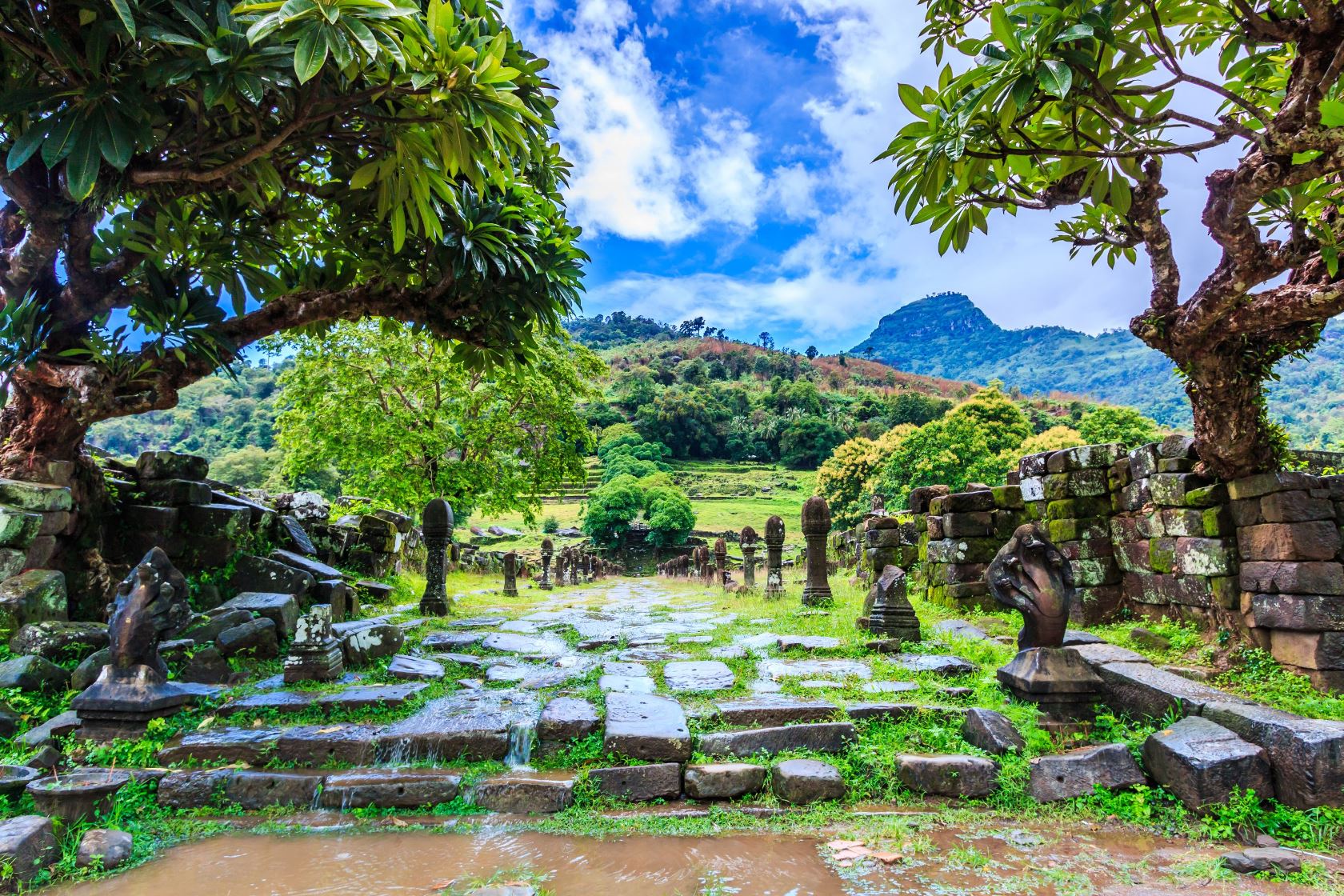
Just off the main tourist trail, life moves at a languid pace in Champasak, Laos’ most picturesque region on the fringes of the Thai and Cambodian borders. Wat Phou is the main draw of this pocket of the country, a colossal Khmer temple that many believe provided some of the blueprint for Angkor Wat, but it’s well worth spending a day or two admiring the faded grandeur of Champasak town, and taking a boat trip along the calm waters of the Mekong. Nearby, the Bolaven Plateau is best-known for its cascading waterfalls and coffee plantations, thanks to the rich volcanic soils and comparatively cool climate. To the south sits Si Phan Don, an archipelago of 4,000 tiny islands and sandbars ringed by traditional villages with free roaming livestock – and the best place to visit to try and spot the desperately endangered Irrawaddy dolphin.
BACK TO TOP
NORTHERN LAOS
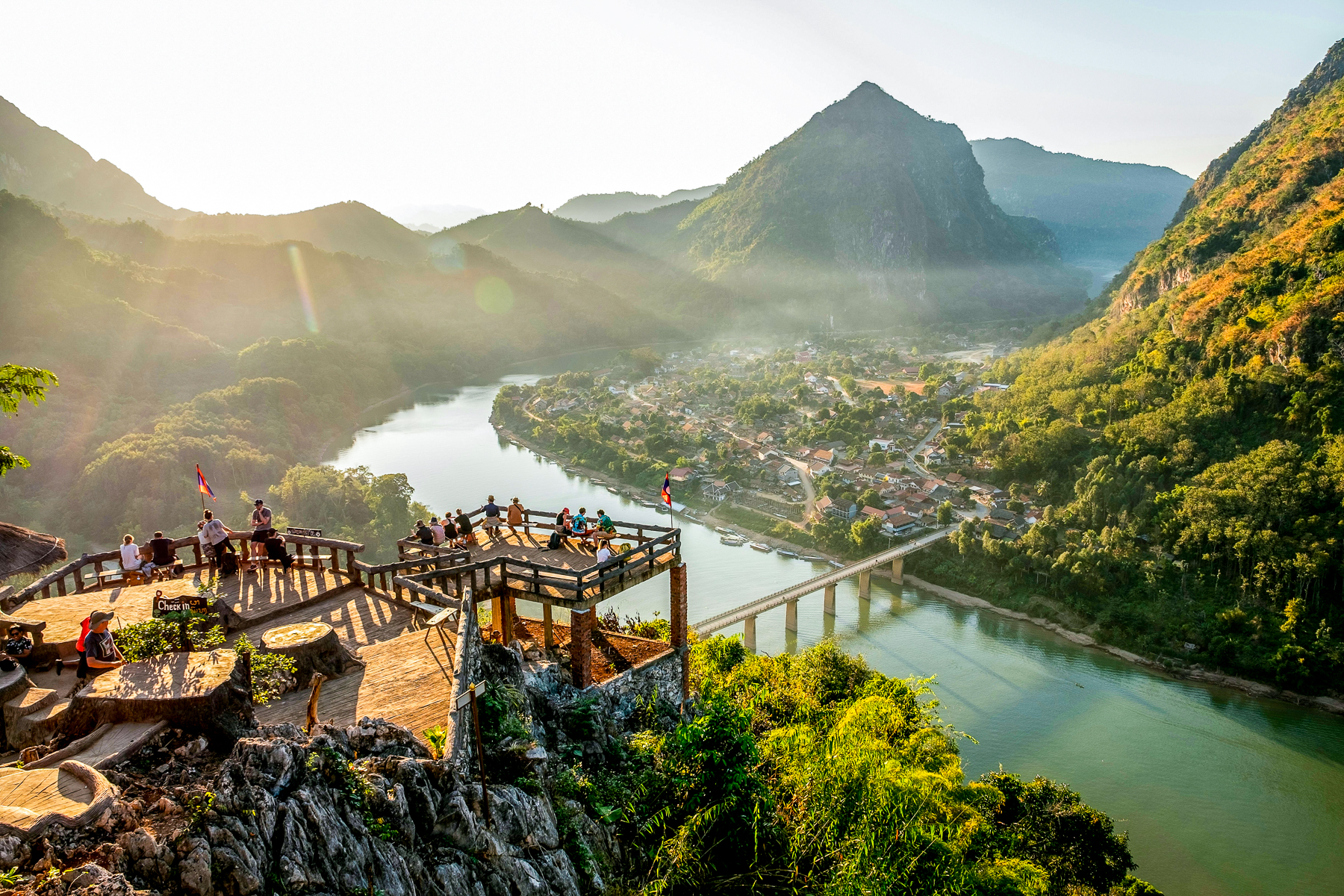
Northern Laos is the perfect concoction of Laotian nature and culture. The verdant Oudomxay Province is home to around 60 winding rivers and dense rainforests brimming with birdlife and colourful orchids. The north is also where you'll find the province of Luang Prabang. Aside from the rich heritage of its capital, the province’s sloping, mountainous topography makes it ideal for trekking and outdoor adventures. Perhaps the most spectacular trail here is at the small town of Nong Khiaw, where a winding mountain path snakes upwards through thick bamboo forests to the summit – which boasts astonishing 360-degree vistas across the town. You’ll also witness the surrounding mountains cloaked in emerald rainforests and the meandering Nam Ou River which cuts through the landscape. Northern Laos also offers some of the country’s most insightful cultural experiences with its welcoming hill tribes. Khmu are one of the most populous ethnic groups in the region, specialising in handicrafts such as rattan weaving and bamboo basketry. Meanwhile, the Akha are known for their agricultural expertise and unparalleled knowledge of the surrounding forest. There are many other ethnic groups here, each with specialisms ranging from jewellery making to medicinal plant foraging.