With a thriving food scene that is on the rise both nationally and worldwide, South Korea is a country that should be at the top of any food lover’s list. Spanning ancient traditions right up to modern crazes, the culinary scene here is not just about tasting the tantalising flavours so much as immersing yourself in a culture rich with gastronomical heritage. Read our guide below to learn about the best food in South Korea, the most captivating culinary experiences, and the top places to try Korean street food.
TOP 10 KOREAN DISHES & DRINKS
Bibimbap
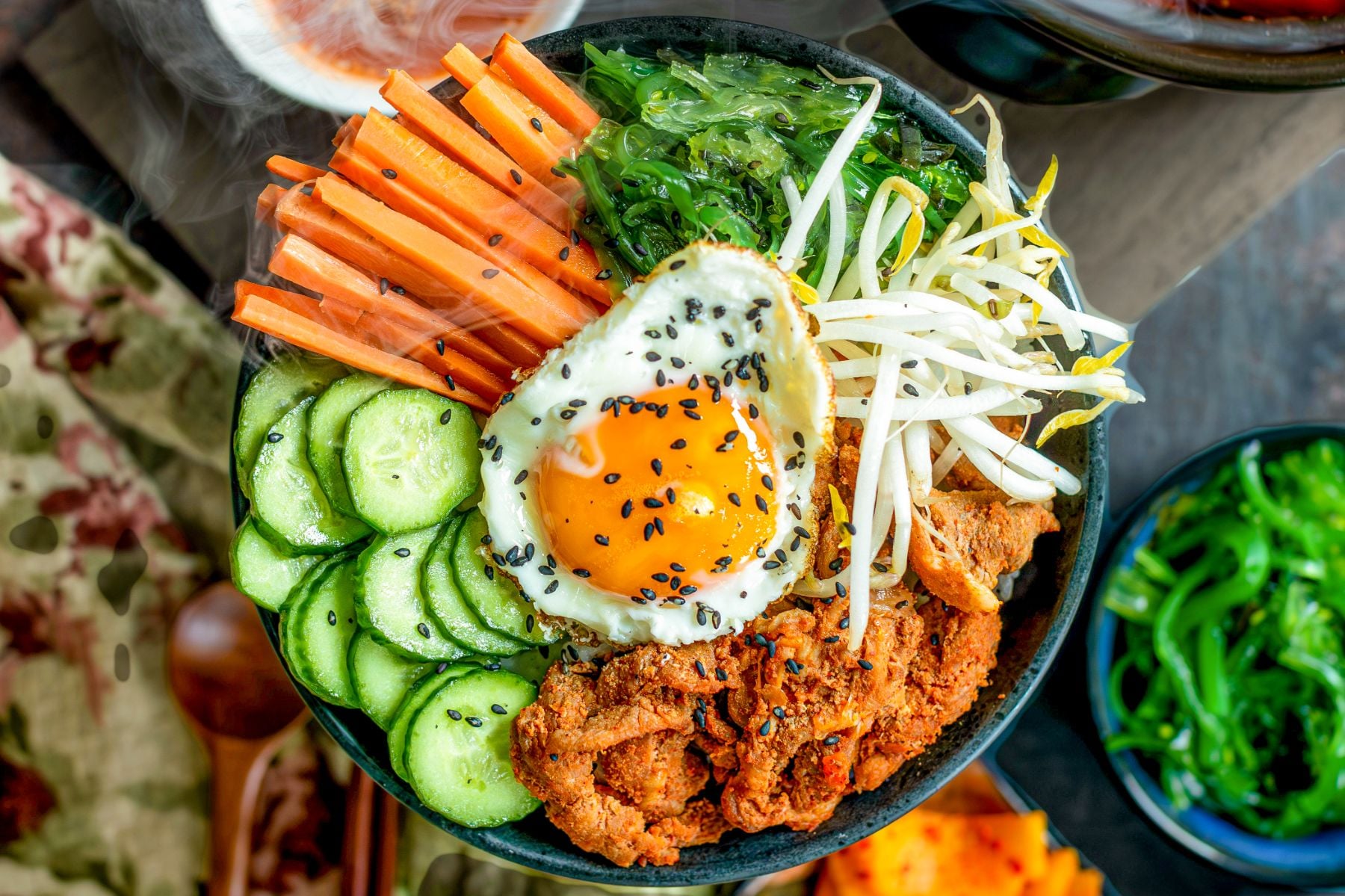
One of South Korea’s most colourful dishes, bibimbap is an enticing bowl of steamed rice, sauteed vegetables, and sliced meat, with a fried egg resting on top. Literally translating as “mixed rice”, the bowl is best consumed by stirring all the ingredients together and unlocking a delightful fusion of flavours. Bibimbap is not only some of the best food in South Korea, but is quickly gaining popularity worldwide.
Jeon
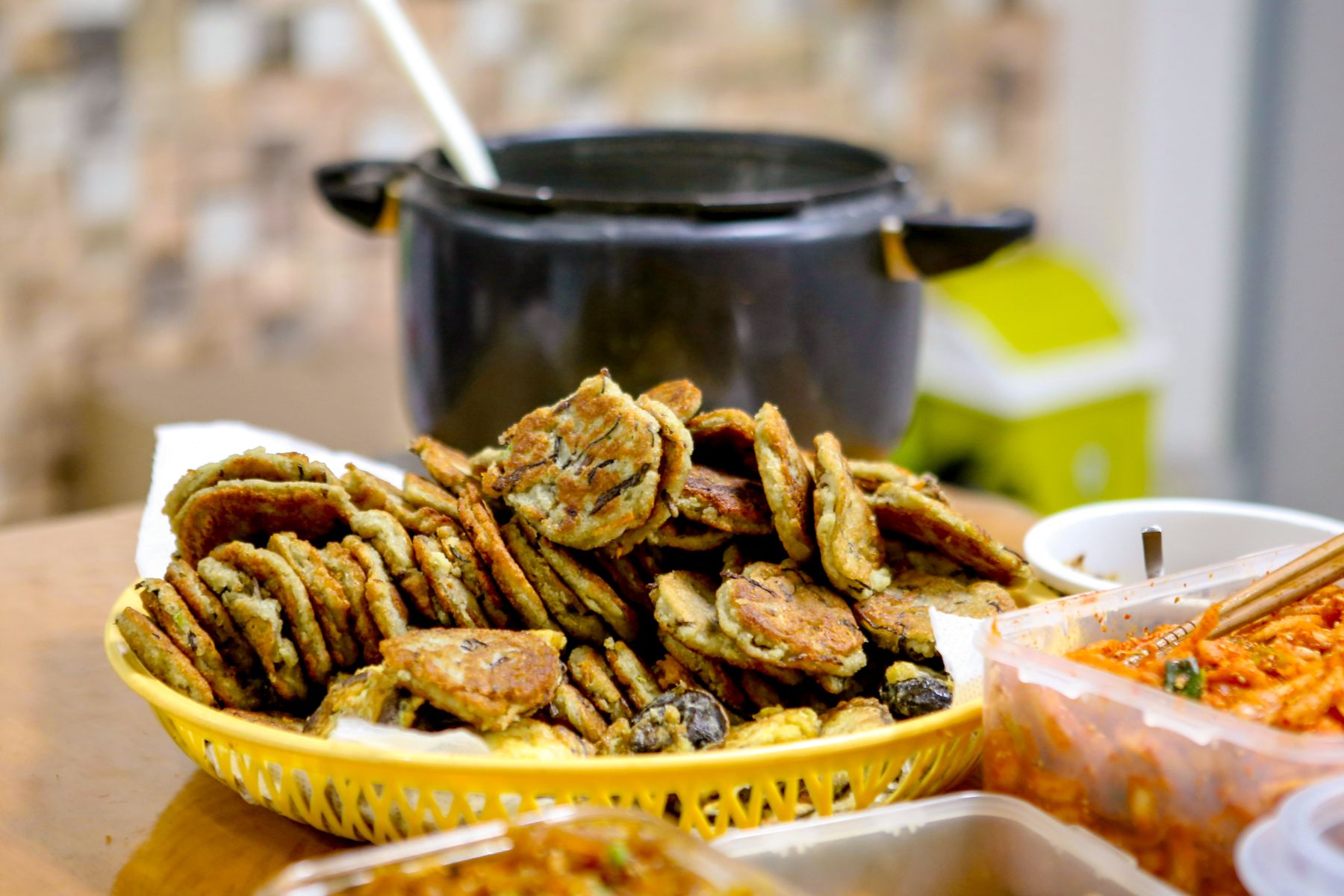
Jeon are usually described as a kind of Korean savoury pancake. However, they are more akin to fritters than a Western-style pancake. They are made with thin slices of meat, fish, or vegetables dipped in flour and egg before being pan-fried. Jeon is very much a comfort food in South Korea, often enjoyed on rainy days!
Soju
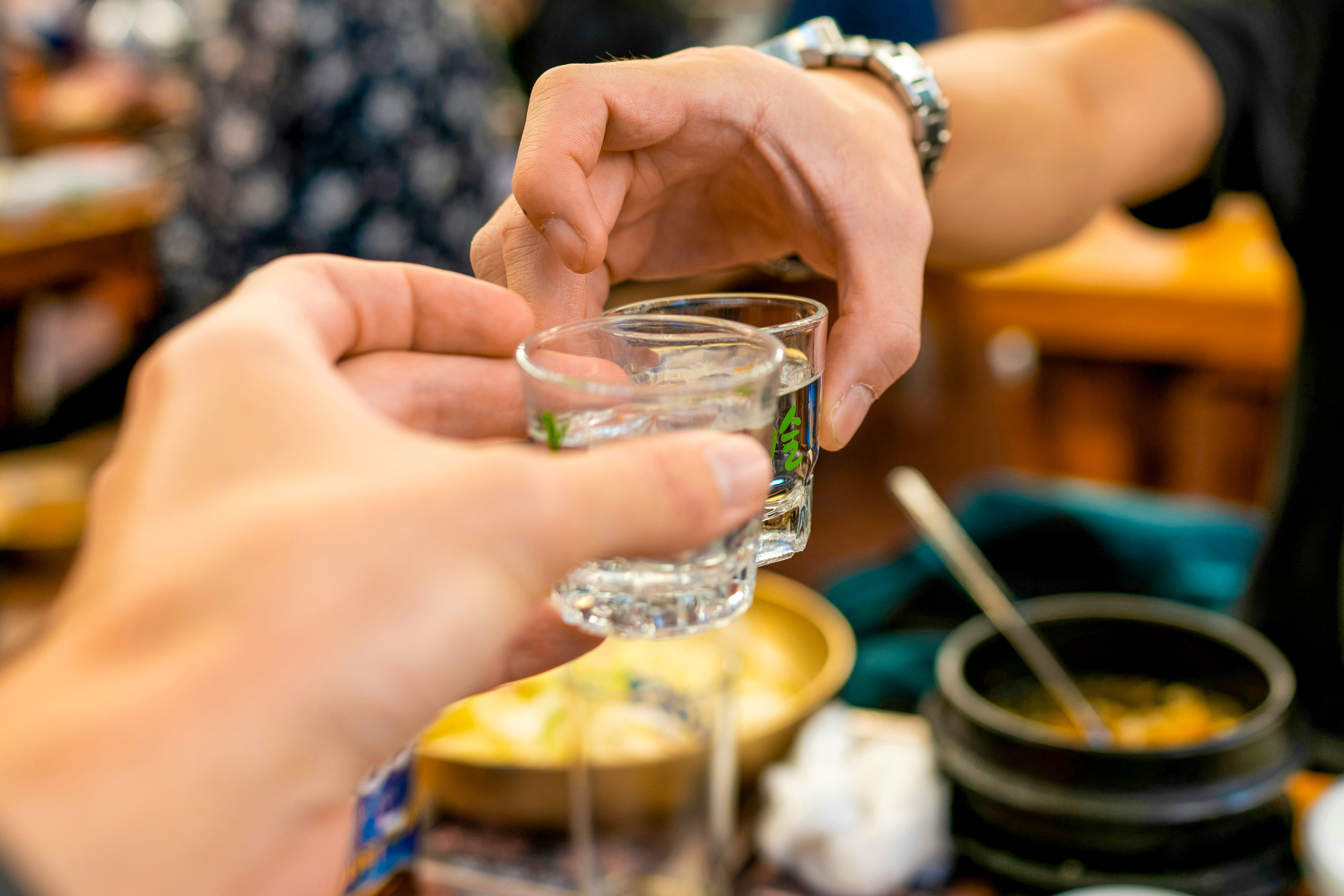
The national drink of South Korea, this clear, distilled spirit is a must-try when visiting the country. Originally a rice-based spirit, it is now mostly crafted using grains such as wheat or barley, and tends to be served in a shot glass. Soju is so popular in South Korea that it is the most sold alcoholic beverage by volume in the world. While a large portion of this is enjoyed domestically, the spirit is now consumed all over the world.
Jjigae
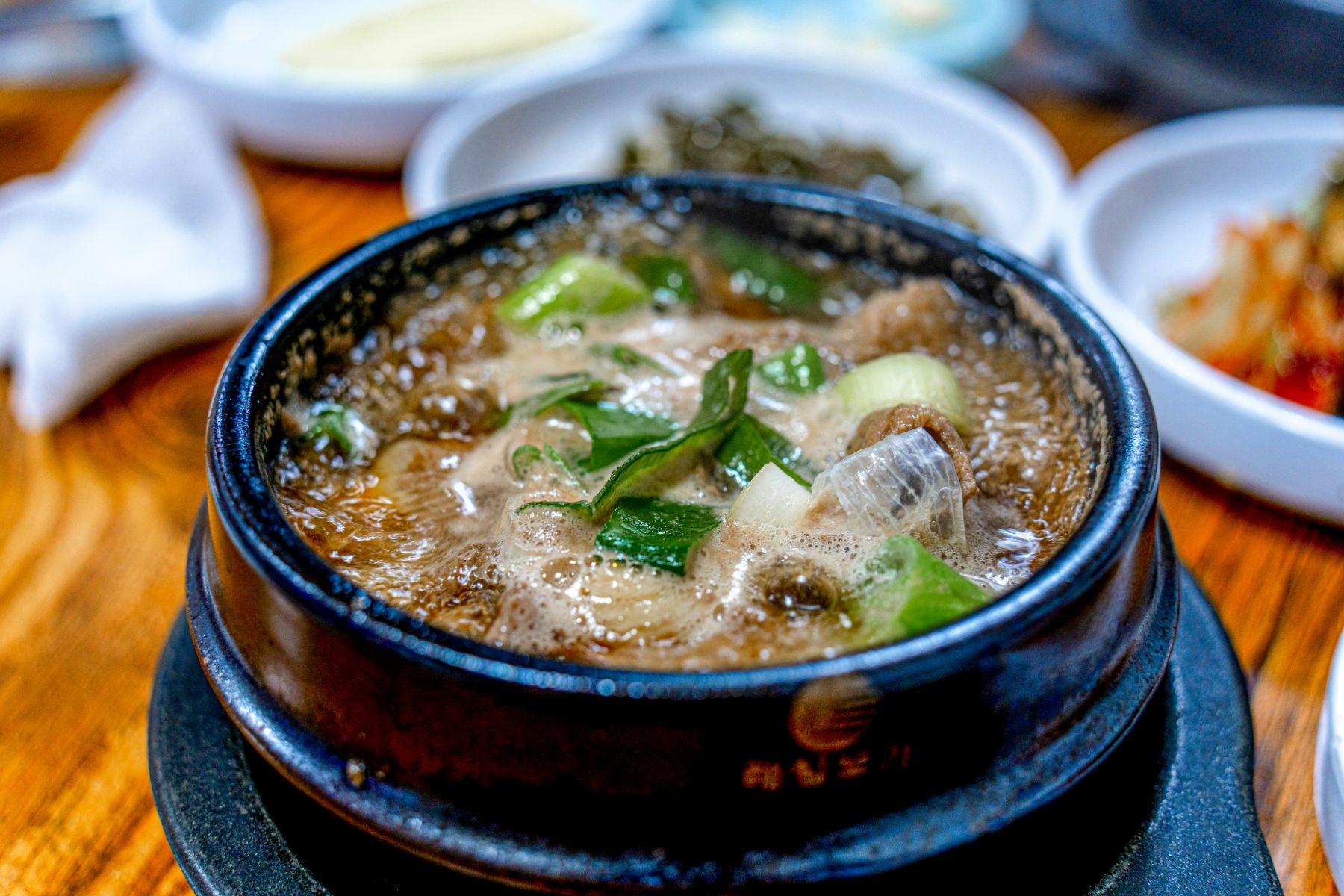
Jjigae is the Korean term for “stew”, and is essentially a broth seasoned with soy sauce, chilli paste, and fermented shrimp. Traditionally a communal dish, a pot of jjigae is commonly shared amongst families during meal times. There are many varieties of jjigae, though the most common kinds are:
- Kimchi-jjigae – a spicy and sour stew made with aged kimchi, this jjigae is sometimes prepared with additional pork, tuna or tofu.
- Doenjang-jjigae – a stew made with soybean paste, Doenjang-jjigae is an earthy and savoury flavour made with tofu, courgette, onion, mushroom and potato.
- Sundubu-jjigae – a spicy broth with very soft tofu and seafood or meat, Sundubu-jjigae is usually served bubbling hot with an egg cracked in.
- Budae-jjigae – one of the more explosive combinations of flavours, Budae-jjigae is a post-war creation using spam, sausages, baked beans, noodles, cheese and kimchi.
Tteokbokki
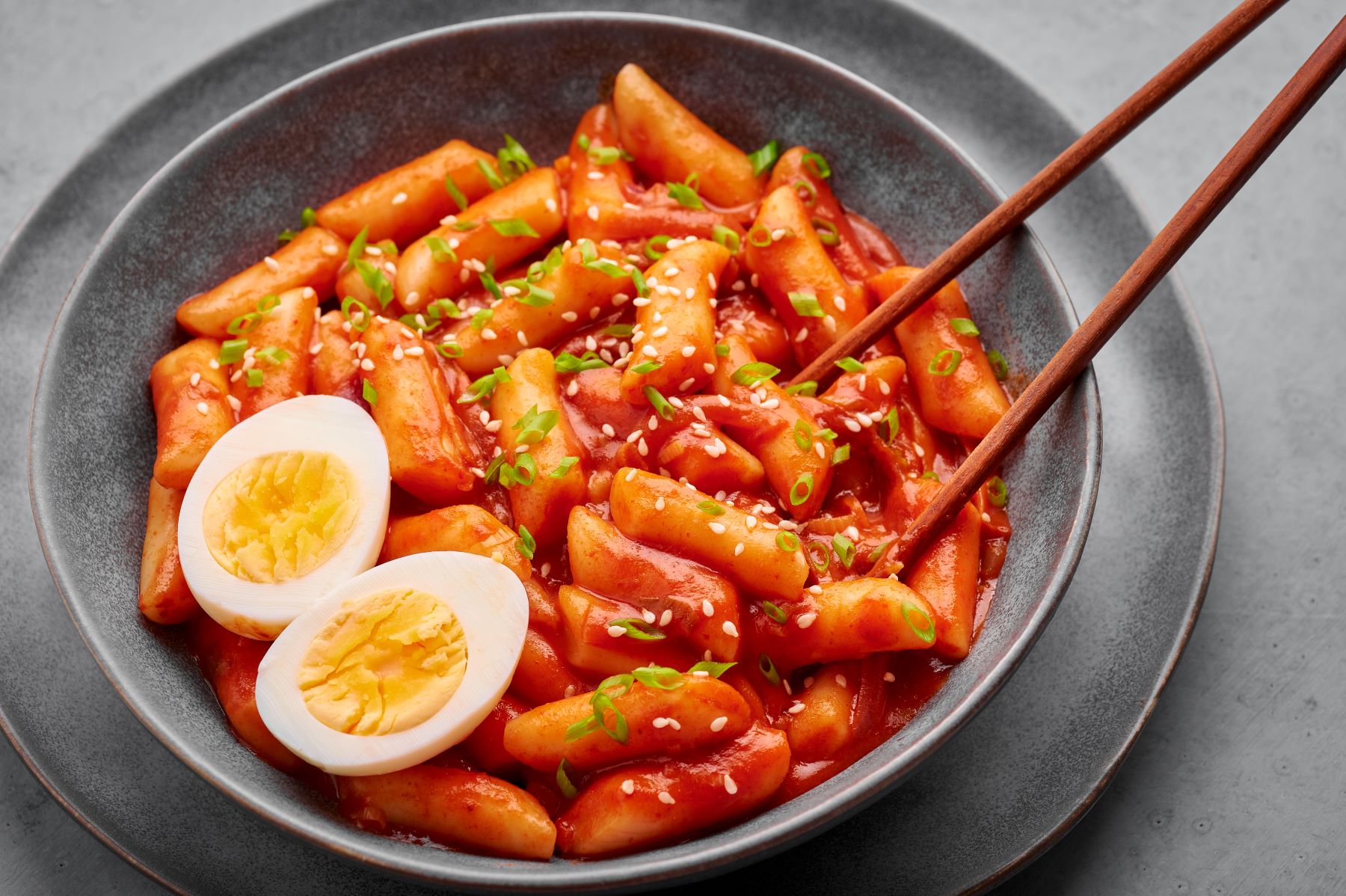
Tteokbokki is one of the most common kinds of street food in South Korea. These sticky, spicy rice cakes are cooked in a tangy chilli broth. While often enjoyed as a light snack, it can be paired with seafood, ribs, or noodles to form a truly hearty feast.
Korean Fried Chicken
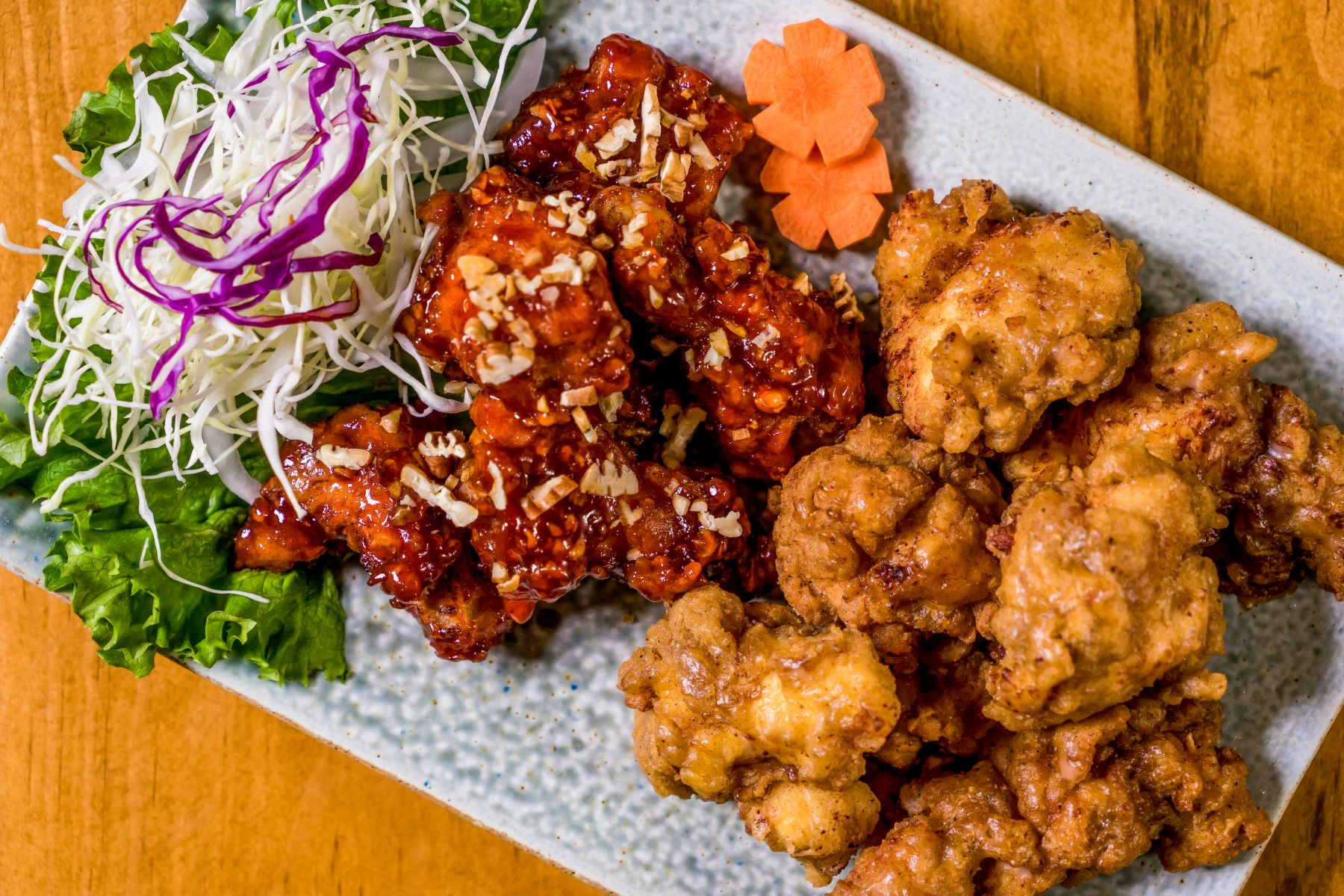
Deep-fried chicken wings smothered in a sweet, sticky sauce, it’s no wonder Korean fried chicken is a popular snack both in South Korea and across the globe. While the dish has risen to notoriety during the 21st century, fried chicken recipes in Korea actually date back to the 15th century.
Kimchi
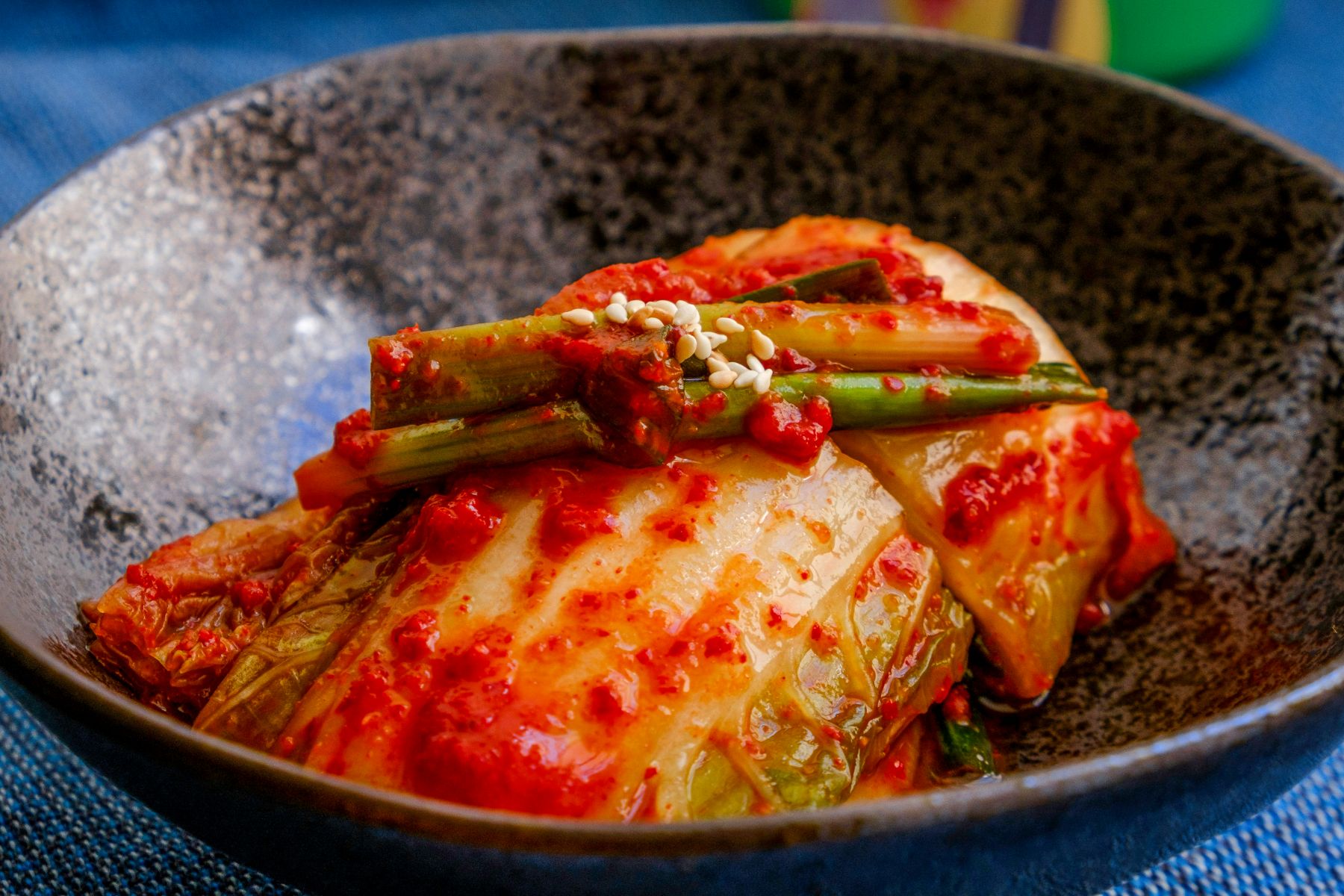
South Korea’s national dish, you’ll find kimchi served alongside many dishes when eating at restaurants here. Usually made with fermented napa cabbage, and seasoned with chilli, garlic, ginger and salted seafood, it’s the perfect accompaniment to any meal.
Makgeolli
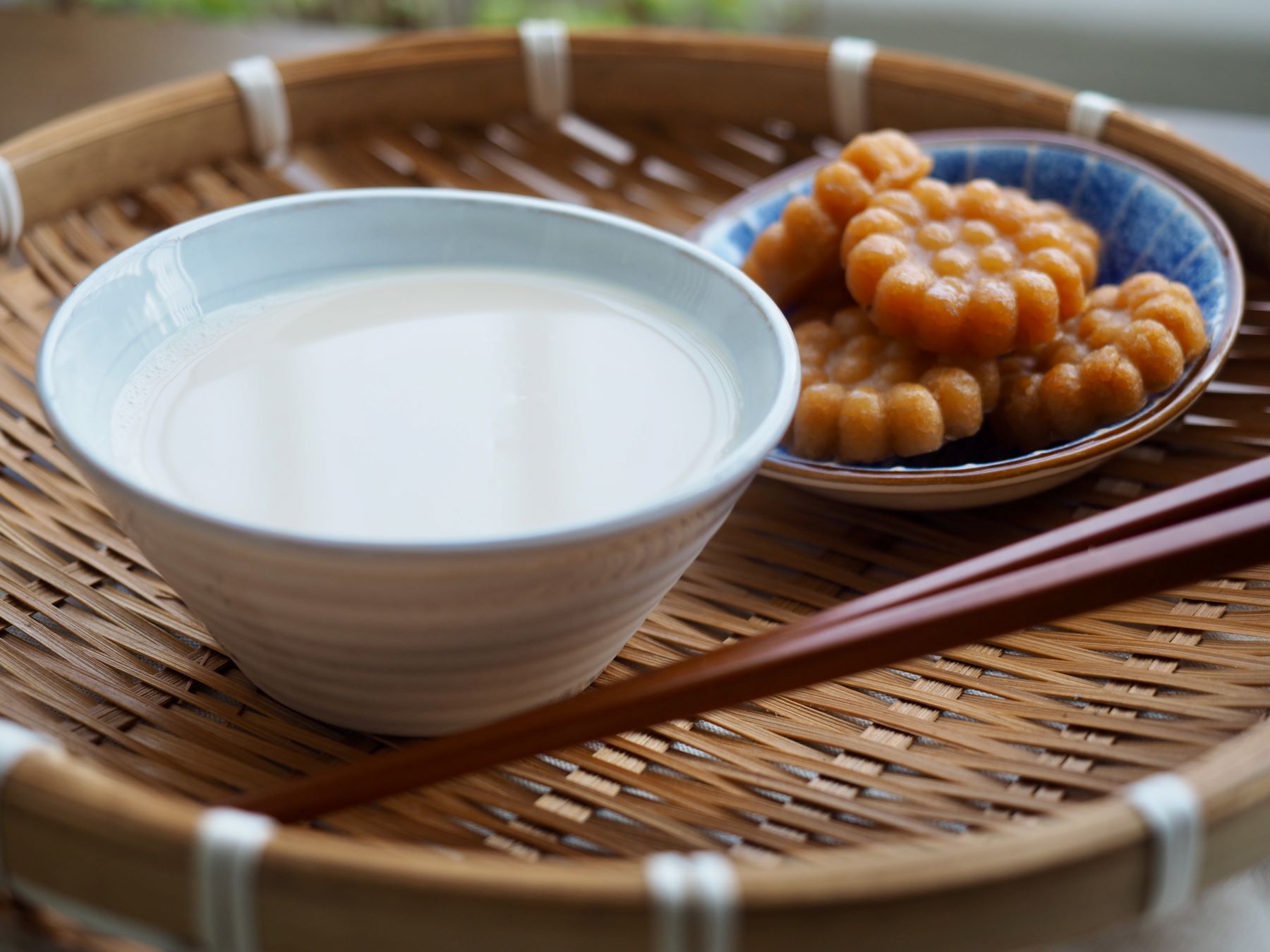
A sparkling rice wine with a milky appearance, Makgeolli is South Korea’s oldest alcoholic beverage. Bursting with flavours, Makgeolli has a sweet, sour, fizzy and creamy taste all at once. The drink is usually enjoyed communally – and very often paired with jeon on a rainy day!
Korean Tea
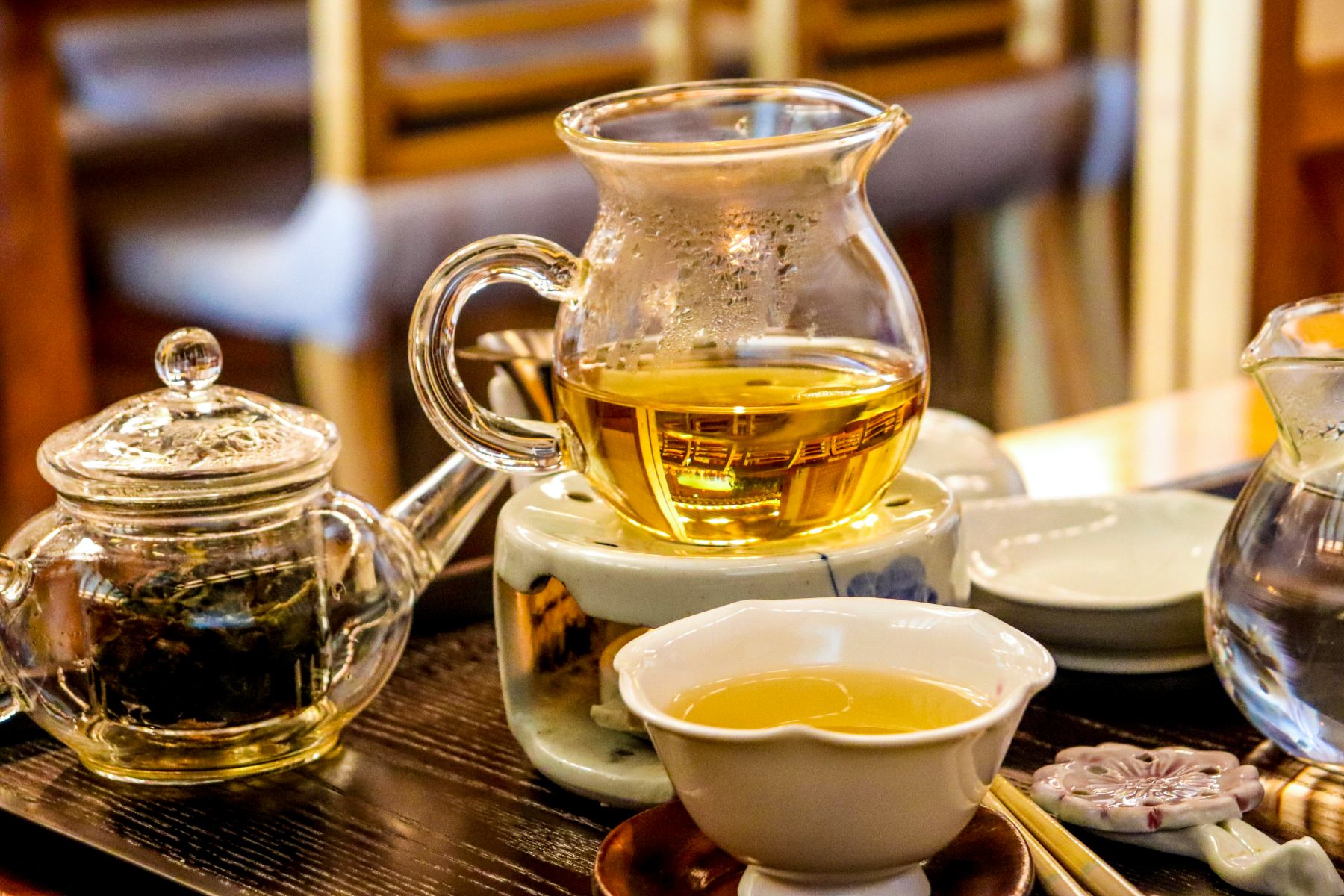
Korean tea tends to be herbal or grain-based, rather than made from leaves. Some of the most common teas include: boricha (barley tea), oksusu-cha (corn tea), yuja-cha (citron tea), maesil-cha (plum tea), and even chrysanthemum tea. Drunk year-round, and often as health drinks with no milk or sugar, Korean tea is a tradition dating as far back as the Three Kingdoms period (c.57 BC - 668 AD).
Hanjeongsik
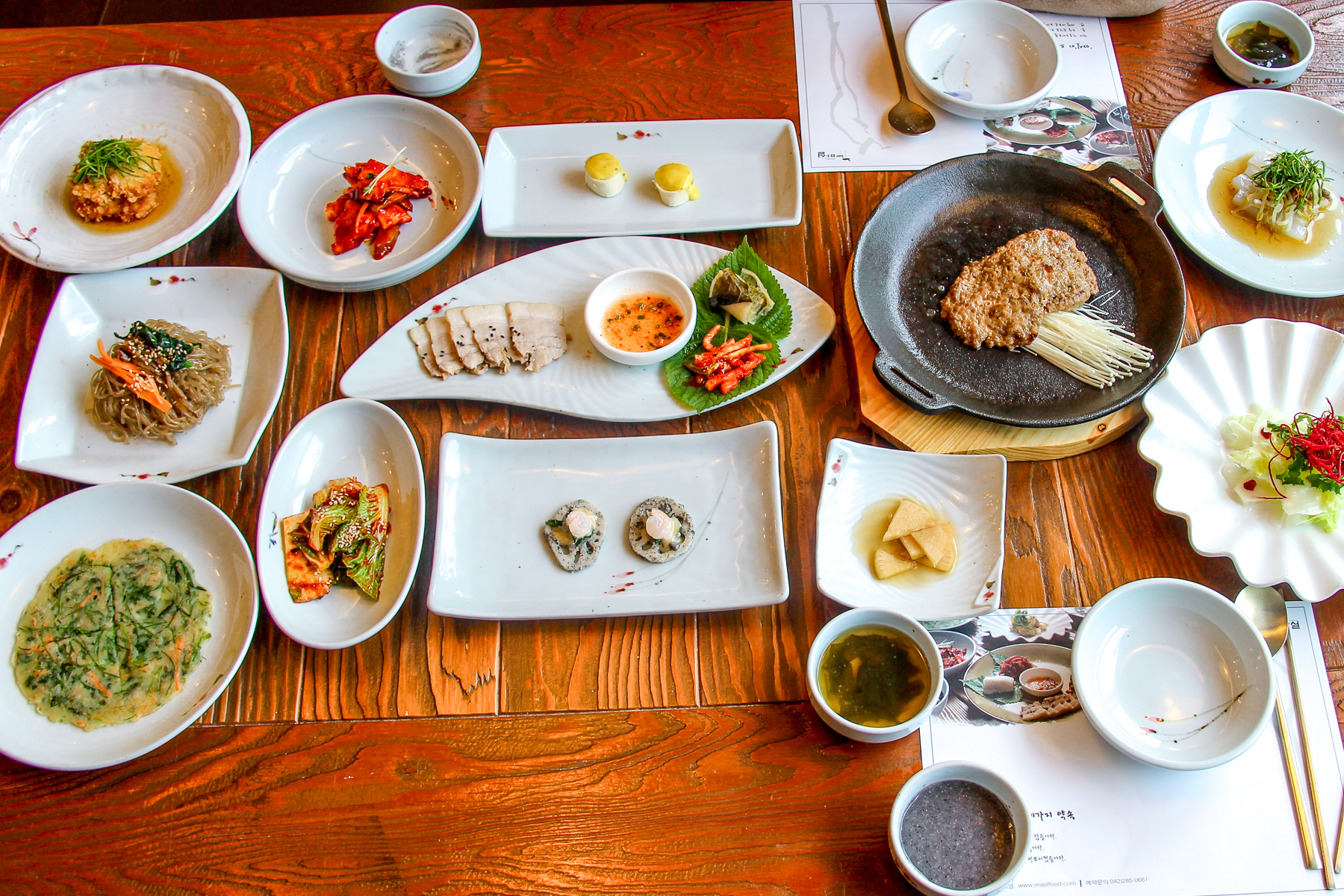
Hanjeongsik is a large meal consisting of several banchan – small plates of Korean cuisine. Some of the most common banchan include kimchi, steamed vegetables, stir-fried meats, seasoned broths and Korean pancakes. When served, Hanjeongsik is an extremely colourful display, and the number of small plates is increased depending on how formal the event is.
CULINARY EXPERIENCES IN SOUTH KOREA
Witness a Korean tea Ceremony
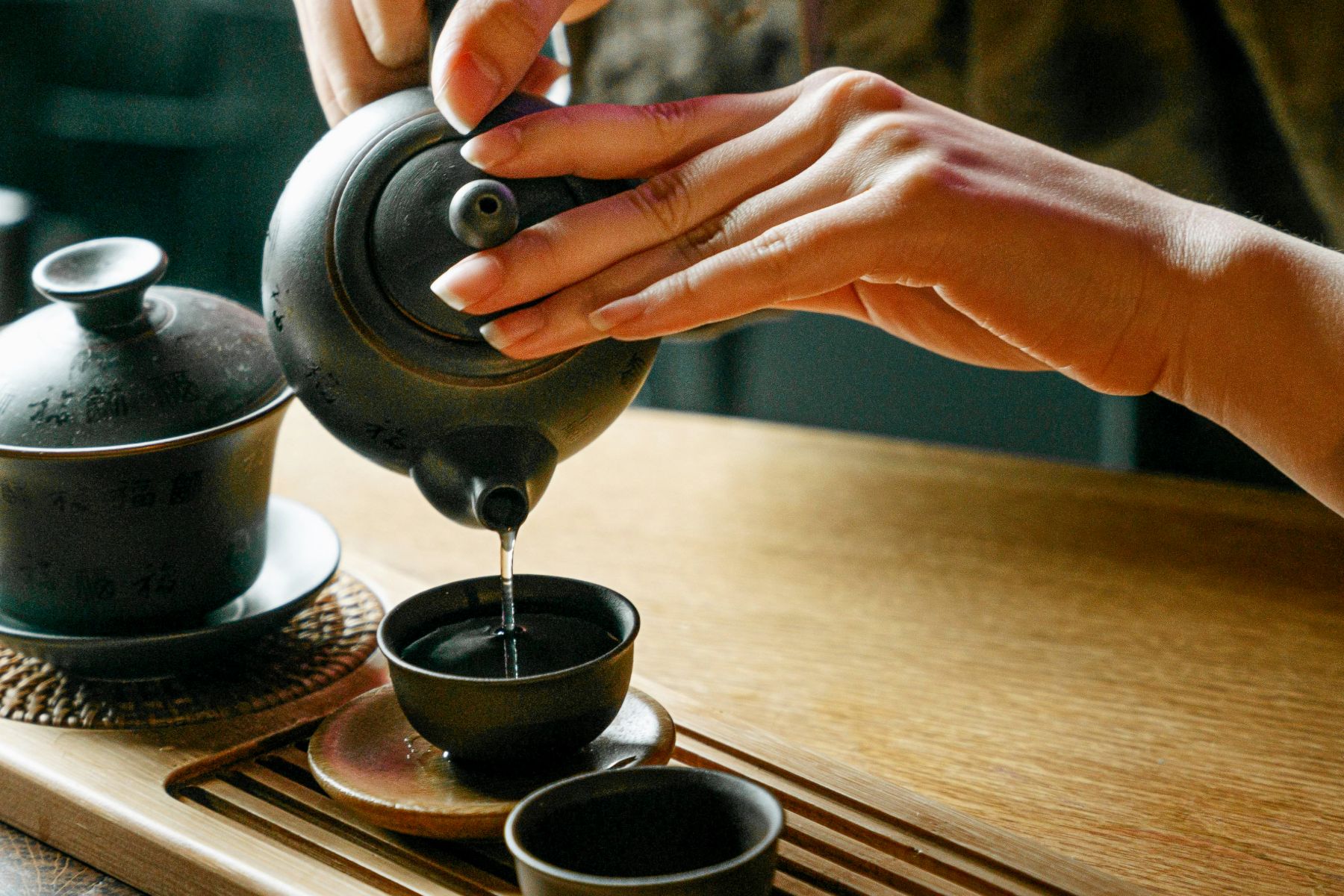
Known as darye, the Korean tea ceremony is rooted in the values of respect, harmony, and calm. Less rigid and formal than a Japanese tea ceremony, darye is more about sincere hospitality than performance, and offers a glimpse into the country’s heritage. Traditionally held in tea houses, and using nokcha (green tea), darye usually includes polite bowing, as well as mindful pouring and sipping.
Guided Tour of Jagalchi Fish Market
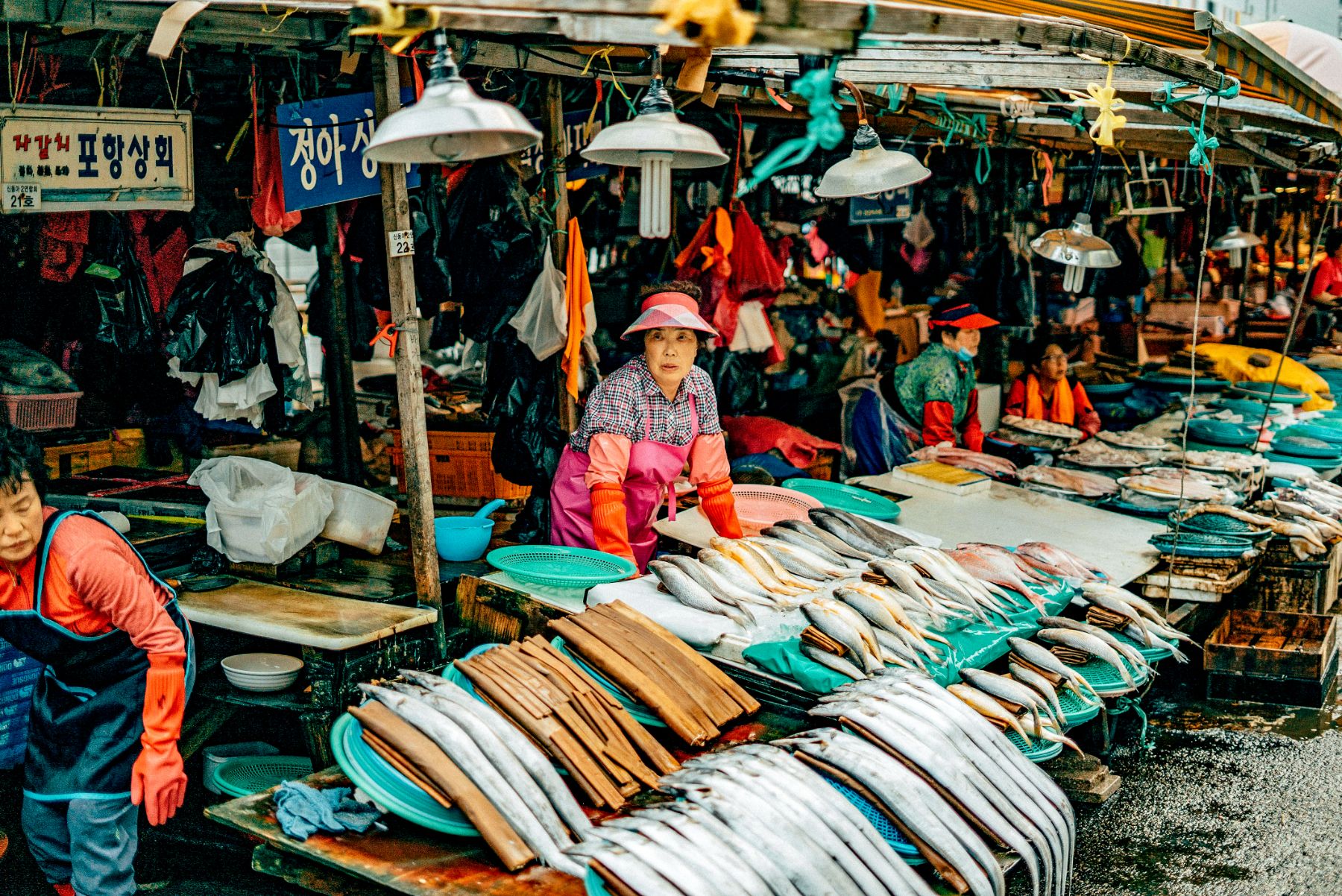
Located near the harbour of Busan, Jagalchi Fish Market is a huge indoor and outdoor market selling some of South Korea’s freshest fish. The fish are so fresh, in fact, that many are stored live and displayed in tanks. They are then prepared on the spot after making a purchase. During a private Jagalchi Market tour, experience the hustle and bustle of the market and work up an appetite for some lunch. There are several dining areas in the market, where visitors can either bring purchased fish to the counter to be prepared and cooked, or can order from a menu with fish being prepared immediately from the stall. One of the most bustling markets in the country, it has been in operation since the 1920s.
Grill your own meat at a Korean barbecue
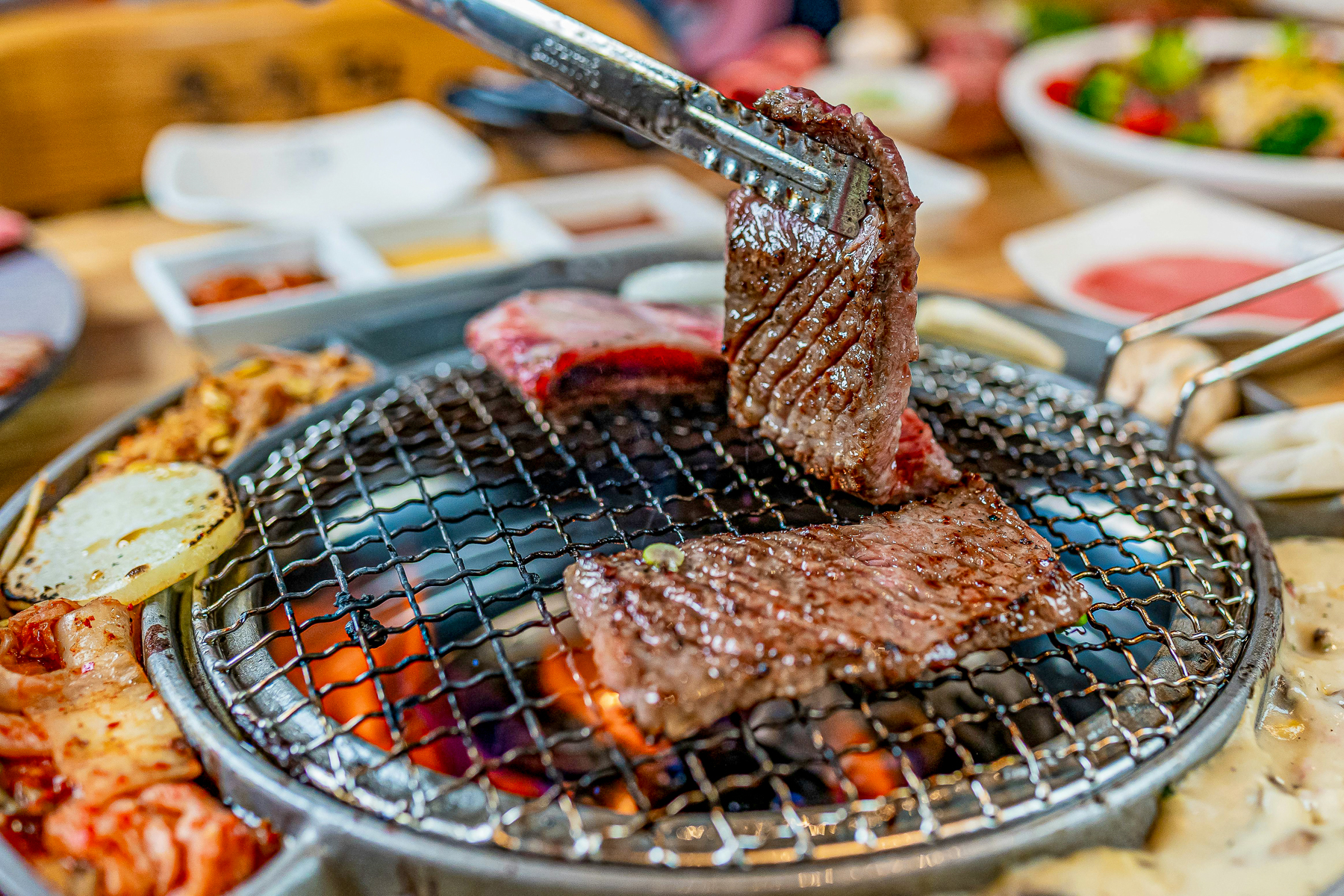
Gogigui is a popular method of grilling meat in South Korea – especially beef, pork and chicken. The tradition of grilling meats has been present in South Korea for thousands of years, however it has gained more popularity since the turn of the millennia. In restaurants, grills are usually built into tables, allowing guests to grill their meats to their own preferences. In some restaurants, a central grill run by a chef is displayed for guests to watch. Bulgogi is the most popular type of barbecue, with meat marinated in soy sauce, sugar, garlic and ginger. Korean barbecues can be found in many of the country’s towns and cities. For a truly exceptional experience, we recommend visiting Jeju Island to try its utterly mouth-watering black pork – cooked gogigui-style.
Cherry Blossom Season
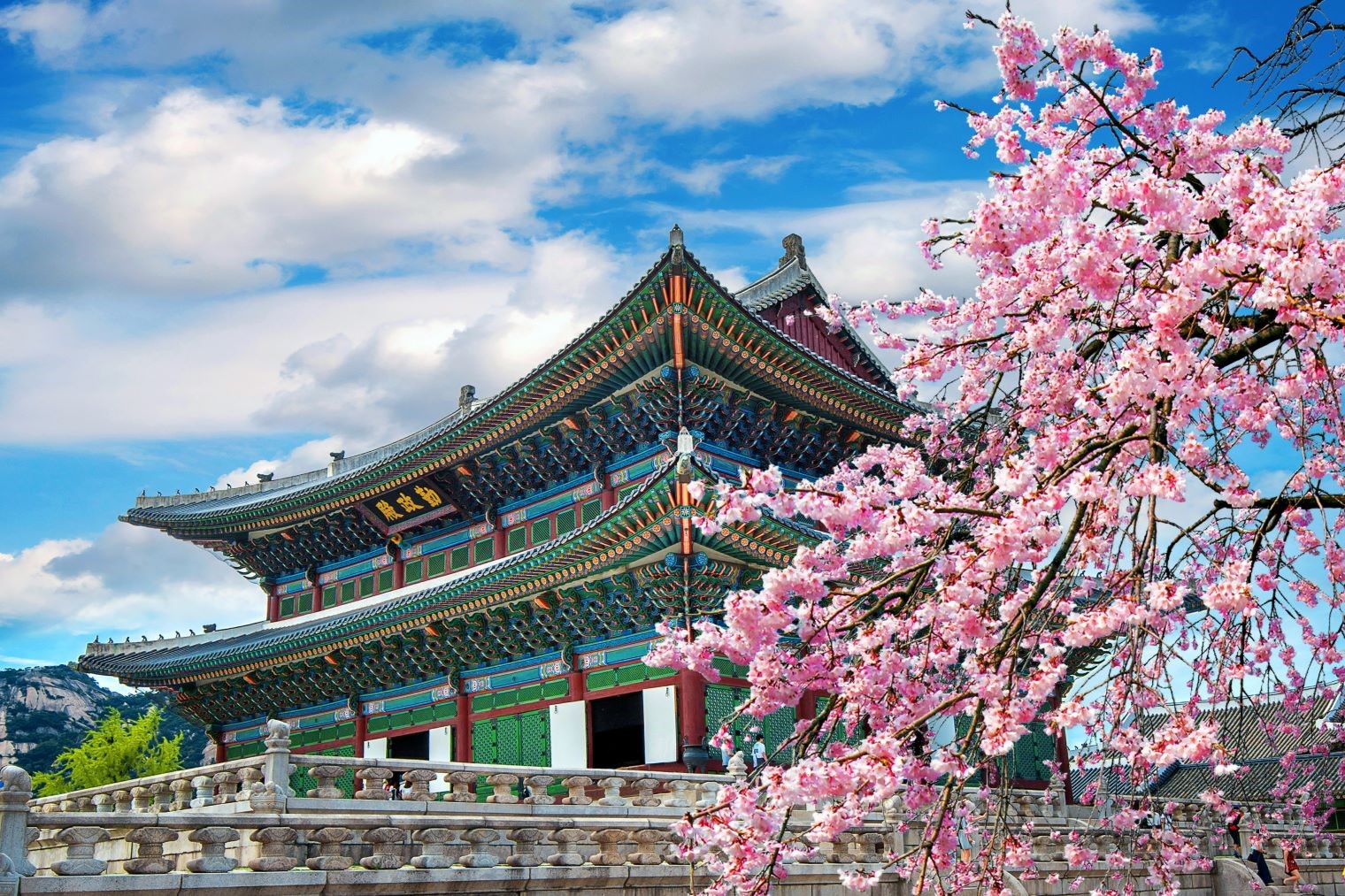
The emergence of cherry blossoms in South Korea is a cultural phenomenon not to be missed – especially for more adventurous foodies! Cherry blossom infused drinks – such as tea, coffee, soju and sodas – can be found during the season. Those with a sweet tooth will also want to sample the creative blossom-flavoured rice cakes, sweet breads, and ice creams sold during this time of year. Find out more about this natural spectacle in our guide to South Korea’s cherry blossom season.
STREET FOOD TOURS IN SOUTH KOREA
Seoul
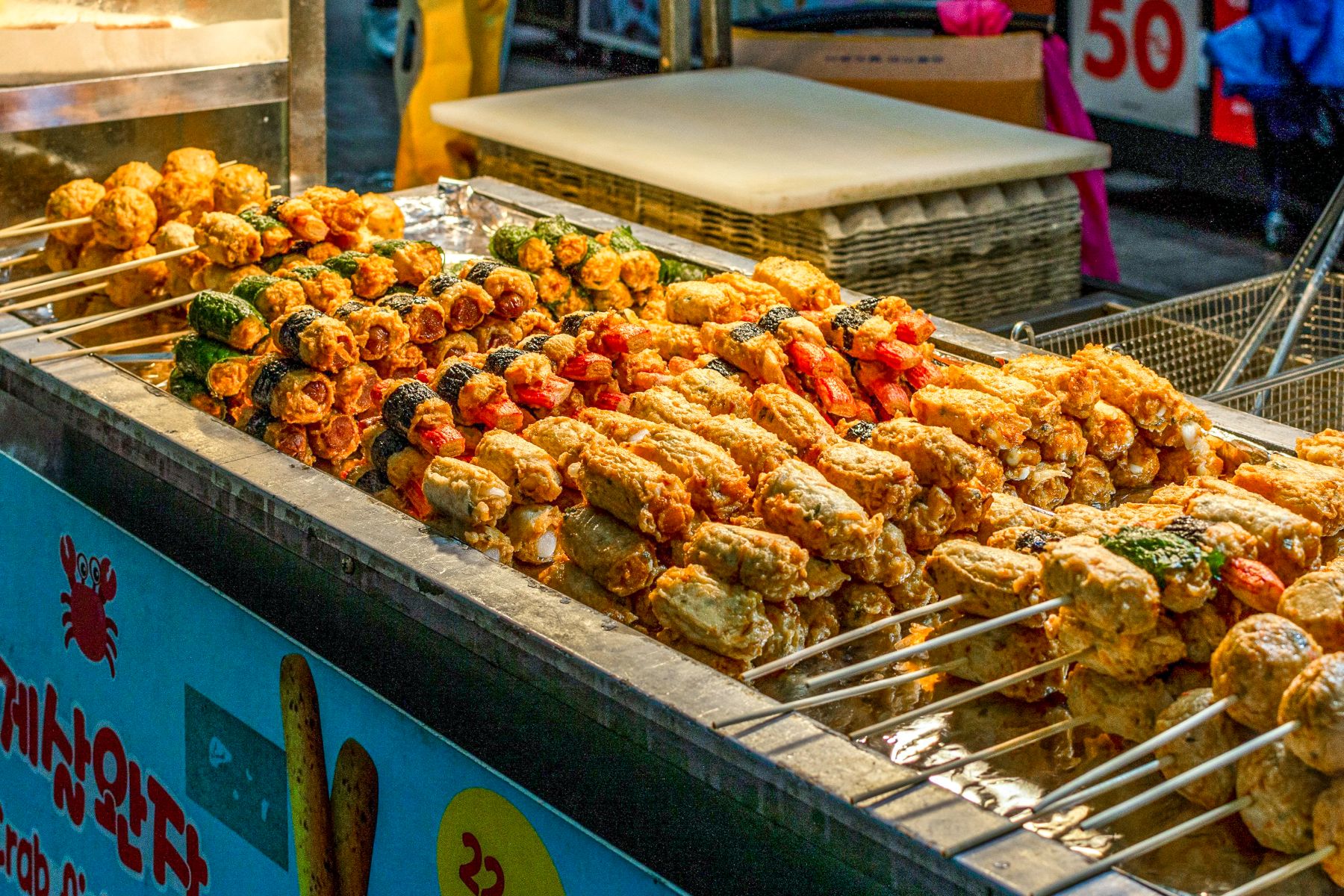
Seoul’s Gwangjang Market attracts thousands of visitors every year – and is one of the best places in Seoul to go for street food. Vendors sell all kinds of fresh, traditional Korean cuisine, with its signature dish being its mung bean pancakes. The market’s popularity continues to grow after several of its vendors were featured in the Netflix series Street Food: Asia. Such is the prestige of this grand market, that it has also been visited by acclaimed chefs such as Gordon Ramsay.
The night markets of Seoul’s Myeongdong district also come alive with colourful, neon lights and the smell of sizzling street food in the evening. Vendors offer all kinds of delicious traditional cuisine – and there are many top-end restaurants to enjoy here as well – making it one of the best places to try street food in Korea.
Busan
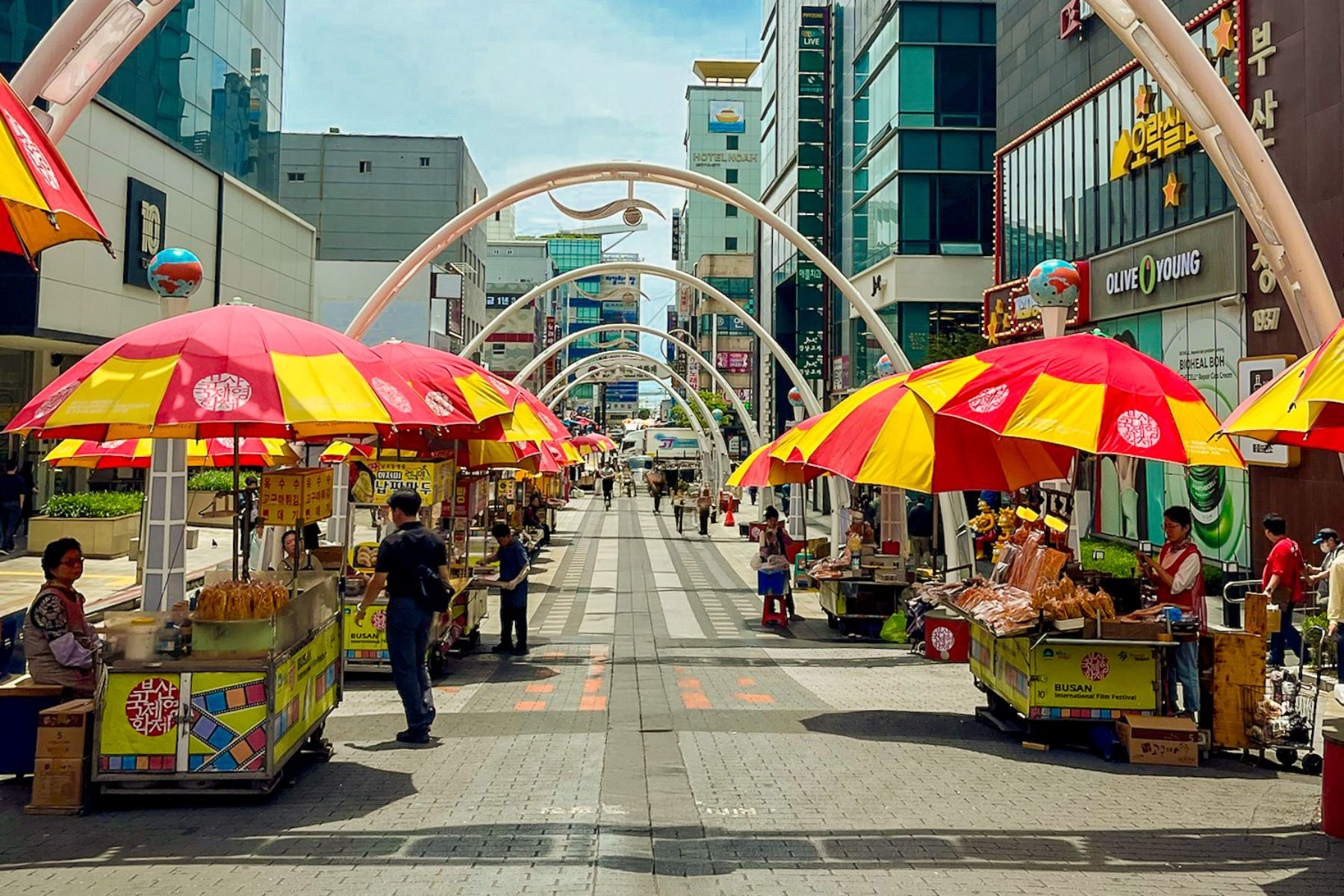
Aside from its legendary fish market, Downtown Busan’s vibrant street market scene offers some of the best food in Busan. One of the favourite dishes among locals is hotteok, a golden, fried griddlecake filled with sugar and nuts. You’ll also find delicious noodles, rice cakes, seafood and fried tofu pockets. One of the best places to try street food in Busan is at the Busan International Film Festival (BIFF) Square. Alongside its Hollywood-style walk of fame, BIFF Square boasts a whole array of street vendors, all beneath the region’s distinctive red and yellow umbrellas.
Jeju Island
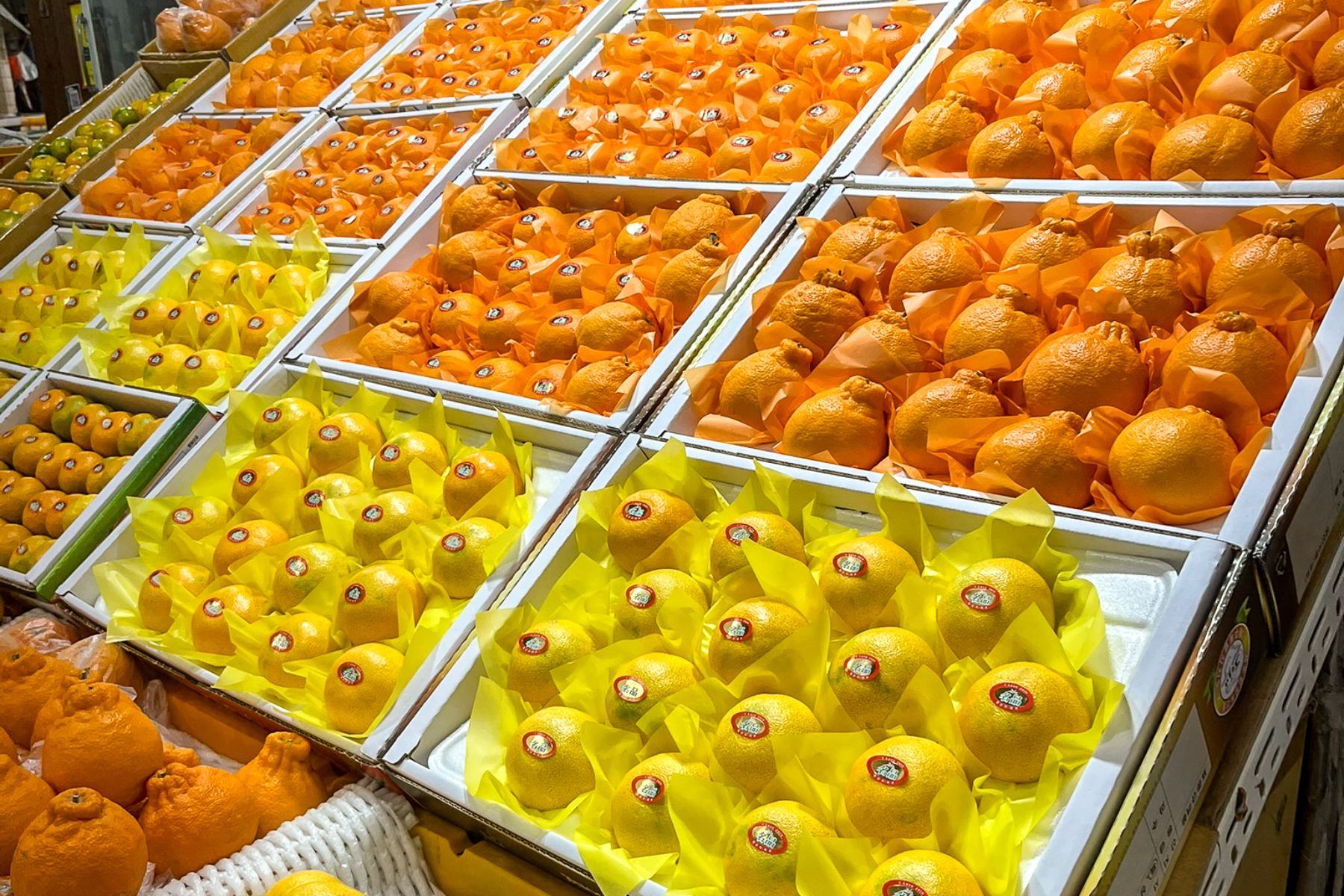
Seogwipo is one of Jeju Island’s largest towns and is home to a charming covered market. Known for its citrus fruits, for which the island is famous, the market also excels when it comes to street food. In fact, Seogwipo Olle Market is one of the best places to sample Jeju’s delicious black pork, cooked Korean barbecue-style! You’ll also find delicious treats such as tteokbokki, jeon, and a whole range of enticing Korean desserts.