From the vibrant neighbourhoods and resplendent palaces of Seoul to the beautifully preserved vestiges of ancient dynasties in Gyeongju, South Korea offers an intoxicating blend of the old and the new. The country’s natural landscapes are equally diverse, with ancient forests just a short drive from the major cities, and the UNESCO Biosphere Reserve of Jeju Island rippling with volcanic tuff cones and wild coastal trails.
Our guide to the best places to visit in South Korea reveals the destinations that reflect the true essence of this fascinating nation, and the places where you should definitely linger a little longer.
SEOUL
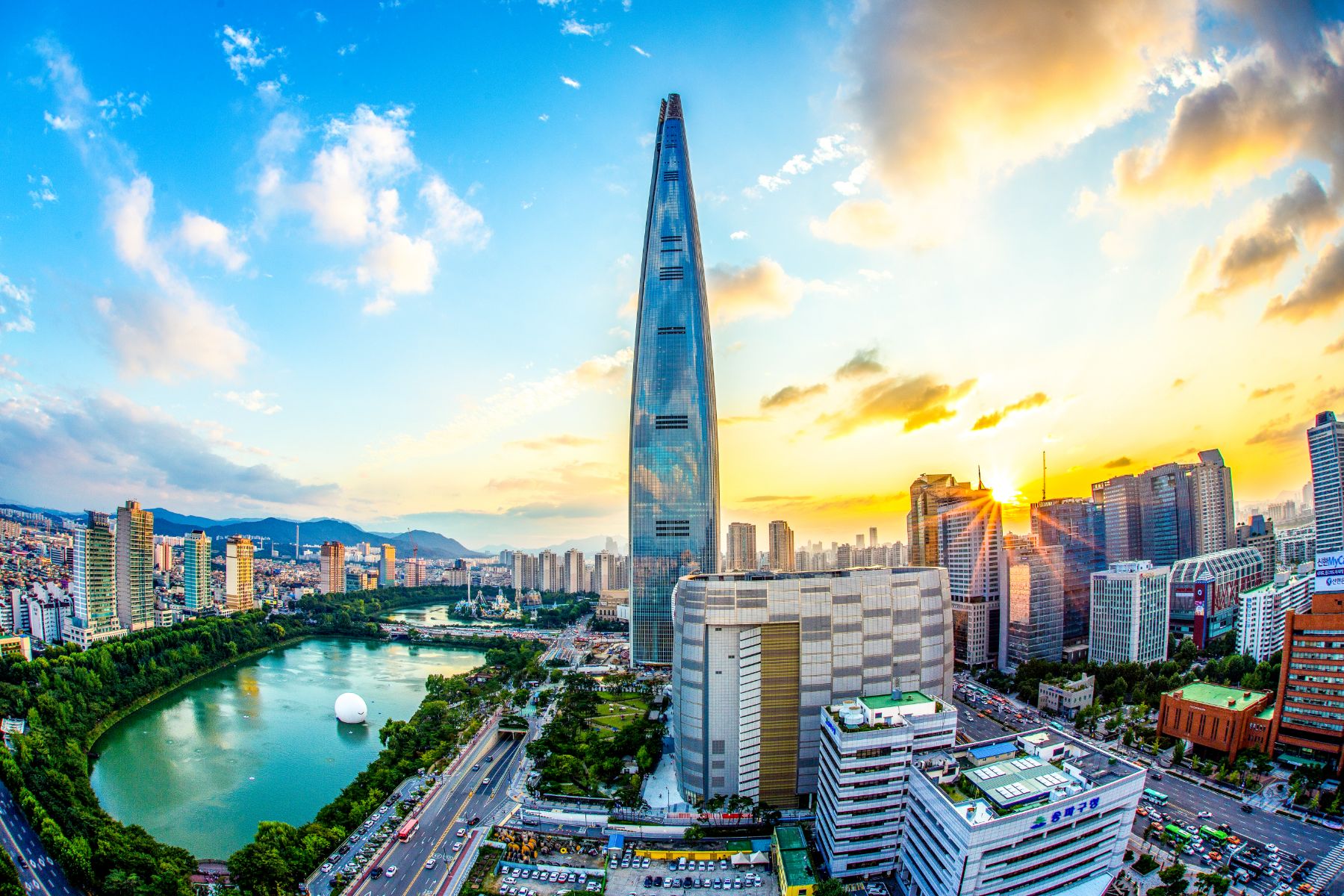
Far more than just the gateway to South Korea, Seoul is an utterly intriguing city to explore. Beyond the glittering modernity, there are so many fascinating layers to uncover. Whether your interests lie in history, food, art, music, or technology, there are countless discoveries to be made. Seoul’s classic sights include the Joseon-era Gyeongbokgung Palace and gardens, the atmospheric hanok village of Bukchon, and the colourful Gwangjang Market. But in addition to taking in the headline attractions, we highly recommend leaving time to explore Seoul’s many diverse districts at your own pace. Stroll through Insadong to discover the endless laneways brimming with small galleries, cafes, shops, and stalls selling no end of curios. Or head to Myeongdong for a lively evening taking in the neon-lit streets, buzzing local restaurants and bars, and plenty of late-night shopping to tempt you.
BACK TO TOP
GYEONGJU
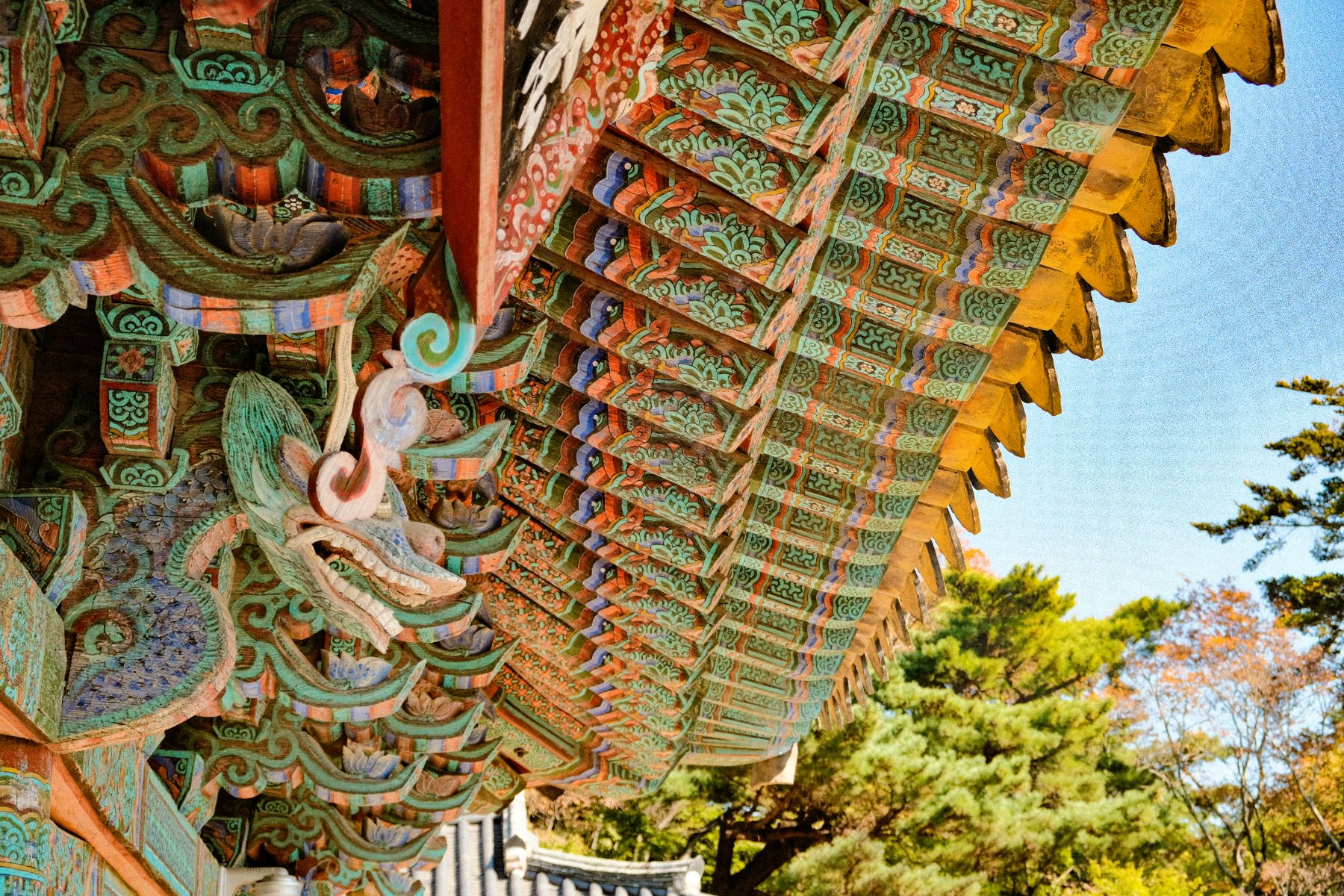
Often described as a “museum without walls,” Gyeongju is Korea’s most historically rich city – a place where time seems to stand still among ancient tombs, temples, and palace ruins. Once the capital of the Silla Kingdom, which ruled for nearly a thousand years from 57 BC to 935 AD, the history of ancient Korea comes truly alive in Gyeongju’s traditional hanoks and temples. The royal burial mounds of Daereungwon, concealed in vast grassy domes rising over 20 metres high in the city centre, add a further intriguing dimension to the fabric of Gyeongju. In the forested hills to the east, the UNESCO World Heritage grotto of Seokguram has been carved into the mountainside, and is one of Korea’s most revered Buddhist sites. In a similarly enchanting setting, towards the base of Mount Toham, the pagodas of another sacred temple, Bulguksa, are a true masterpiece of ancient Korean design.
BACK TO TOP
BUSAN
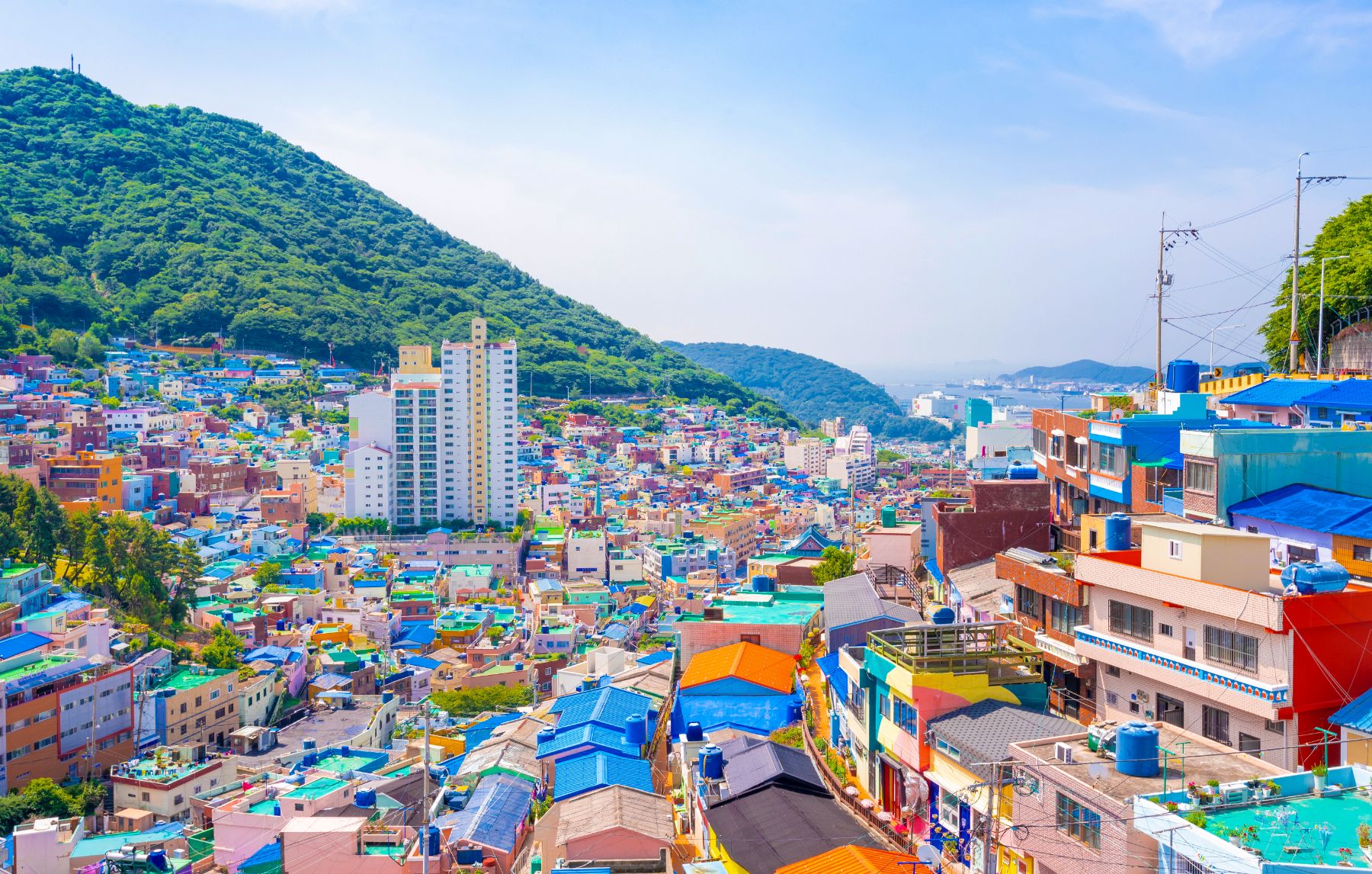
South Korea’s second city has a remarkably different feel to Seoul. Its milder climate, cliffside neighbourhoods, and city beaches all give the city a character entirely of its own. In downtown Busan you will find a labyrinth of narrow streets lined with street food stalls, tiny shops, and a taste of local life that evokes timeless scenes of quintessential Southeast Asia. Up in the hills overlooking the city, the rainbow-coloured streets and houses of Gamcheon Cultural Village tell a fascinating tale of wartime Korea, in a neighbourhood that has been completely transformed into a thriving artistic hub.
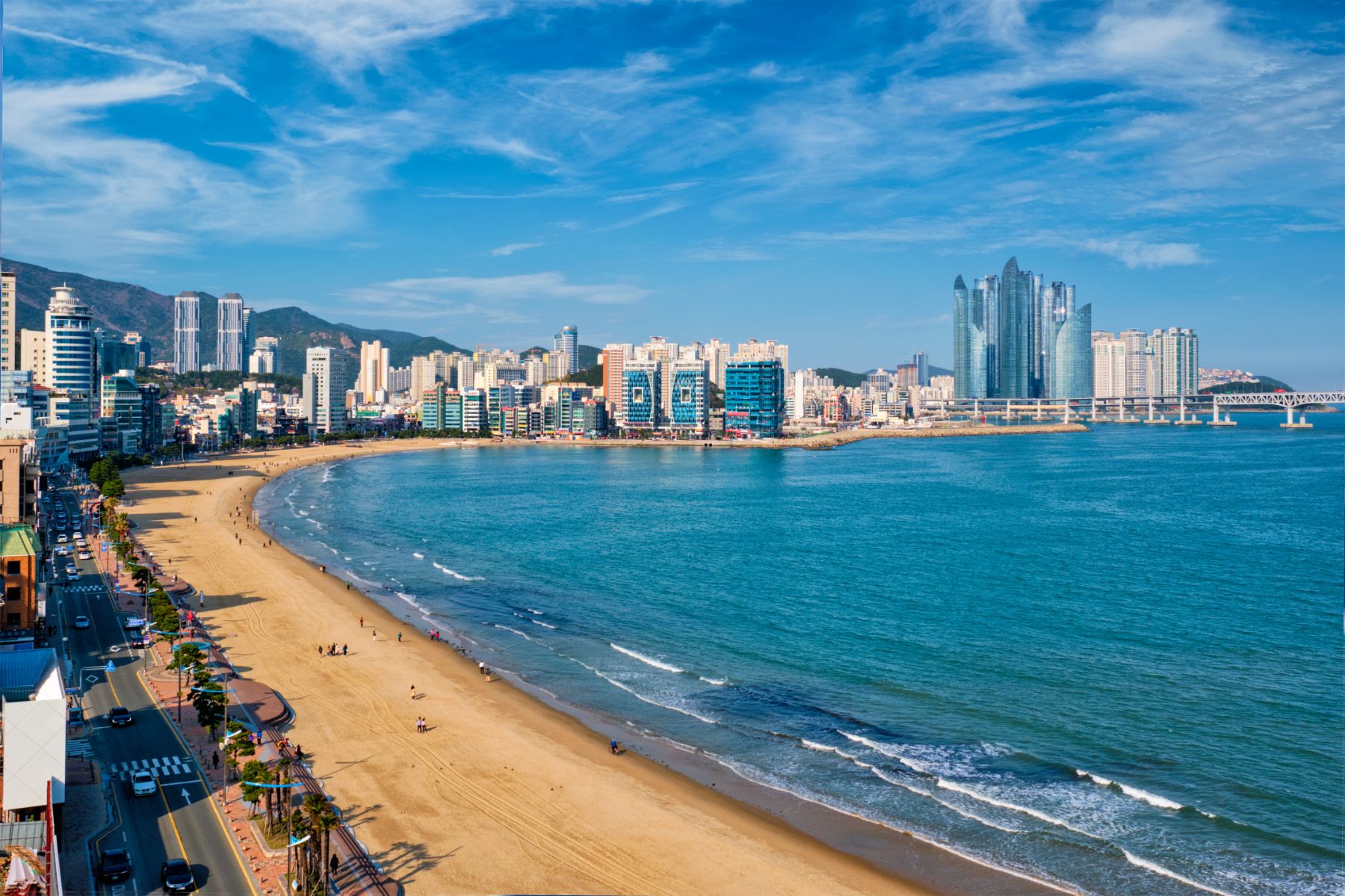
Busan’s two main city beaches cater to a variety of interests. Gwangalli is a popular spot for locals to enjoy relaxation and water sports by day, and a lively atmosphere in the evenings. Haeundae is a more relaxed setting to take a beachfront stroll, stopping for lunch or cold drinks in some of the many cafes and restaurants that line the promenade. And not too far from central Busan, there are further places of interest for those with more time to spend. The UN Memorial Cemetery, for example, and the pristine haven of the Ahopsan Forest.
BACK TO TOP
JEJU ISLAND
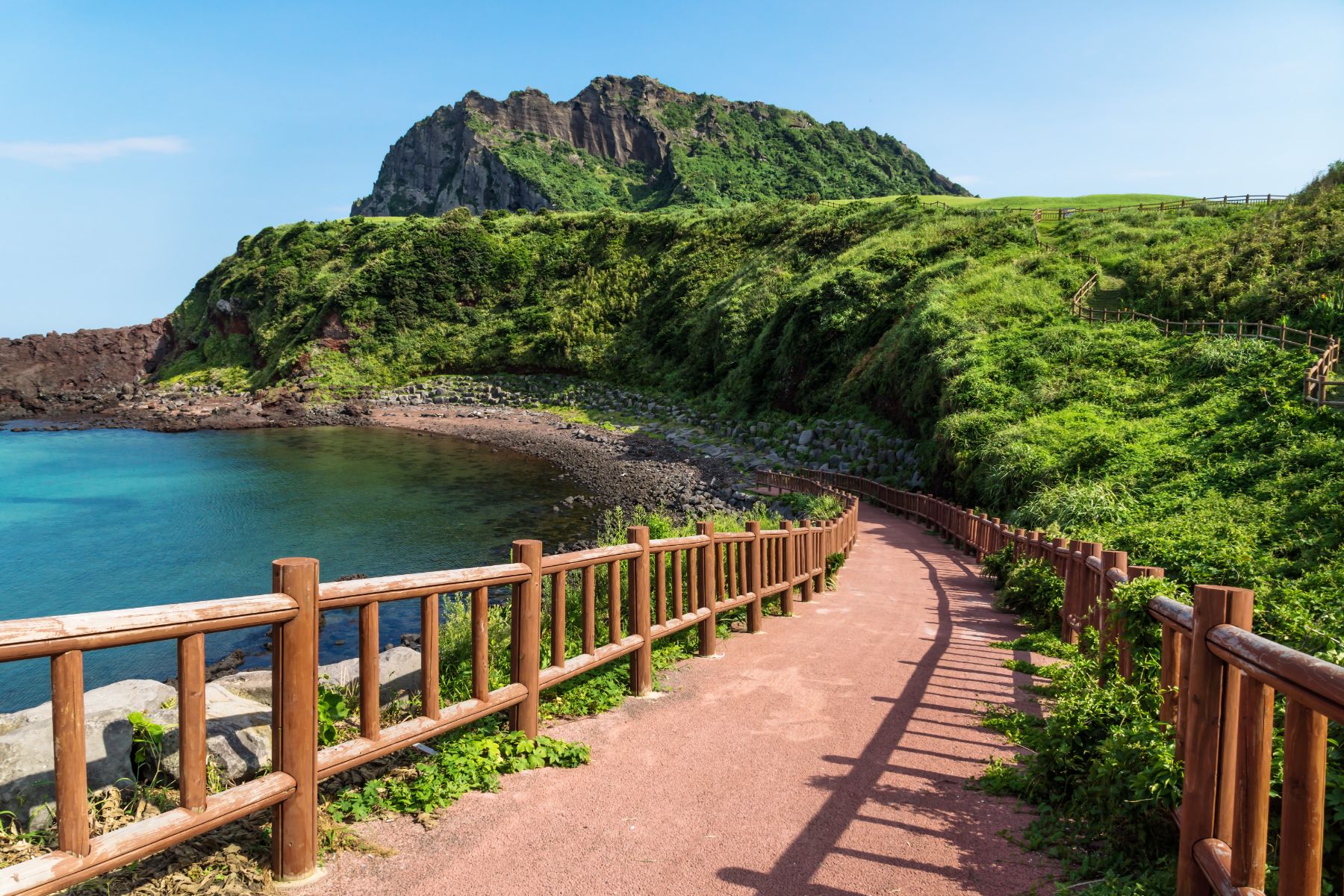
Despite being only an hour’s flight south of Busan, the volcanic island of Jeju feels like a different country entirely. Beyond the island’s natural beauty, cultural attractions abound from gaining insights into traditional Jeju ways of life in Seongeup Folk Village to immersing yourself in the colours and aromas of the bustling Seogwipo Olle Market. The Bonte Museum is another highlight, an architectural masterpiece by Tadao Ando that houses an equally impressive world-class art collection inside.