THE SEASON AHEAD
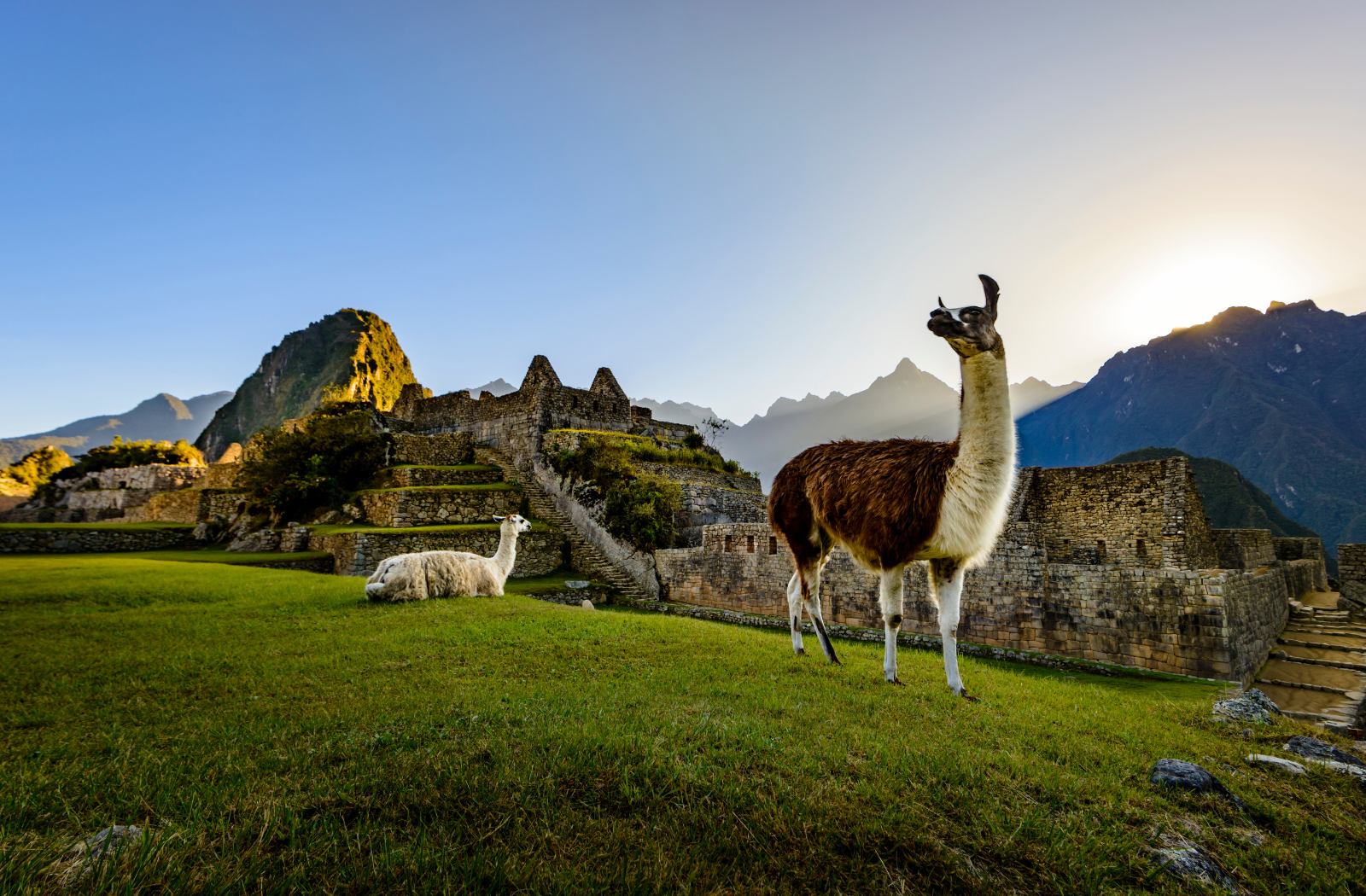
October is a time I always look forward to at Machu Picchu. The days are usually still bright and dry, and the busiest months have passed, giving the citadel a calmer, contemplative feel. It is also a wonderful window for photography, when clear morning light can give way to ribbons of mist curling between the peaks. I am a huge fan of approaching on the one-day Inca Trail; nothing quite prepares you for that first glimpse from the Sun Gate!
As the wetter months arrive, the forest becomes intensely green and Machu Picchu takes on a softer, more mysterious character. November and December can be charmingly atmospheric, with shifting cloud revealing and concealing the ruins. January and February bring heavy rains, but by March the showers begin to ease and the landscape feels vividly alive again. Hummingbirds, colourful tanagers and the occasional Andean cock-of-the-rock move through the trees, while orchids and butterflies bring flashes of colour along the trails. With the drier season close behind, it’s a lovely moment to see Machu Picchu in transition.
Dineke – October 2026
WHERE AND WHEN
When is the best time to visit Machu Picchu?
The best time of year to visit Machu Picchu is during the dry season, from May to October. The conditions in the Andes are generally bright and clear, making views of the Inca citadel very striking. You can explore and take photographs with less chance of rain showers. The fresher, drier weather also makes this a great time for hiking.
Within the dry season, May to June and September to October are especially appealing. You still get the benefits of drier weather, but with fewer visitors than in July and August.
Machu Picchu can still be visited in November and December. This marks the beginning of the rainy season in the Andes, though the heaviest rain usually arrives in January and February. March and April are also worth considering if you want to visit Machu Picchu with fewer tourists. The only month we recommend you avoid is February, when landslides can disrupt train services and the Inca Trail is closed.
The average daytime temperature at Machu Picchu is 25C (77F). Temperatures do not vary hugely throughout the year, though it might feel a little more humid during the rainy season. Due to the altitude, early mornings and evenings do feel much cooler.
Where is the best place to stay when visiting Machu Picchu?
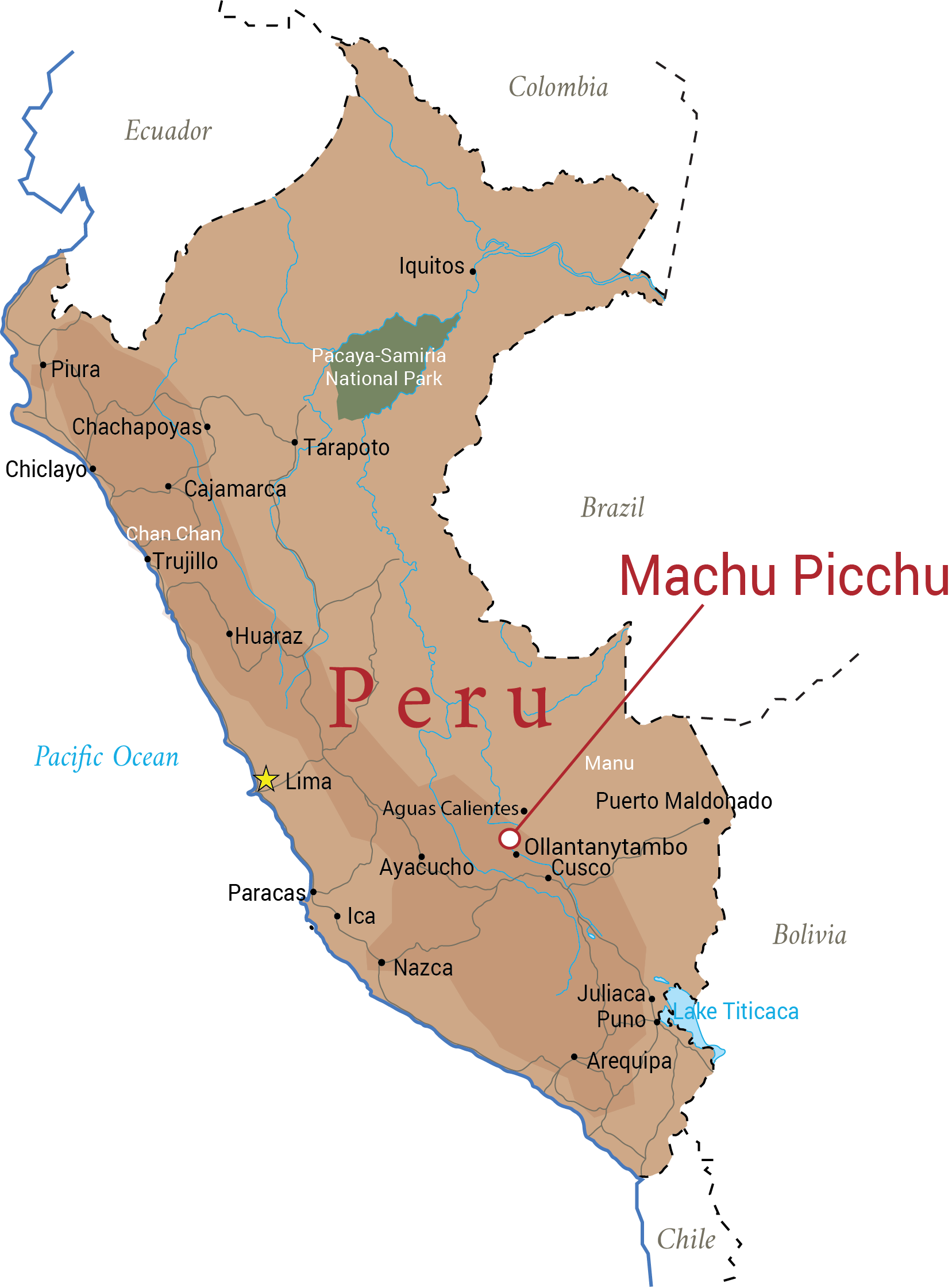
We recommended staying in Machu Picchu itself, rather than visiting as a day trip from Cusco or the Sacred Valley. This makes the visit feel less rushed and tiring. It also gives you the chance to explore the site across two days.
There is a great choice of hotel accommodation in Machu Picchu Town (also known as Machu Picchu Pueblo or Aguas Calientes). There is also a luxury hotel located next to the entrance to the ruins, Belmond Sanctuary Lodge. We can recommend the best fit for your tastes and budget as part of a tailor-made Machu Picchu holiday.
How long should I spend at Machu Picchu?
Some people choose to visit Machu Picchu in just one day, taking a day trip from Cusco or the Sacred Valley of the Incas. We highly recommend visiting the site across two days.
A two-day visit gives you a broader view of the citadel and a better chance of clear conditions for photographs. Machu Picchu can sometimes be cloudy in the morning, and there are often more visitors around. An afternoon visit therefore gives you a wonderful introduction to the Inca citadel when many day visitors are already leaving. You can then spend a night in a comfortable hotel nearby, returning the next morning to see the ruins in the morning light as the mist rises.
If you visit Machu Picchu across two days, you can also follow a different circuit within the complex for alternative viewpoints. You can even take a scenic hike such as Huayna Picchu (Wayna Picchu), or Machu Picchu Mountain.