THE SEASON AHEAD
We’re coming to the end of another season in Angkor Wat, and it’s been wonderful to hear all the stories from my clients as they return home. The temples are still receiving significantly fewer visitors than they were pre-2020, and our incredible guides can make your tour a really personalised one – even if you are visiting during peak season.
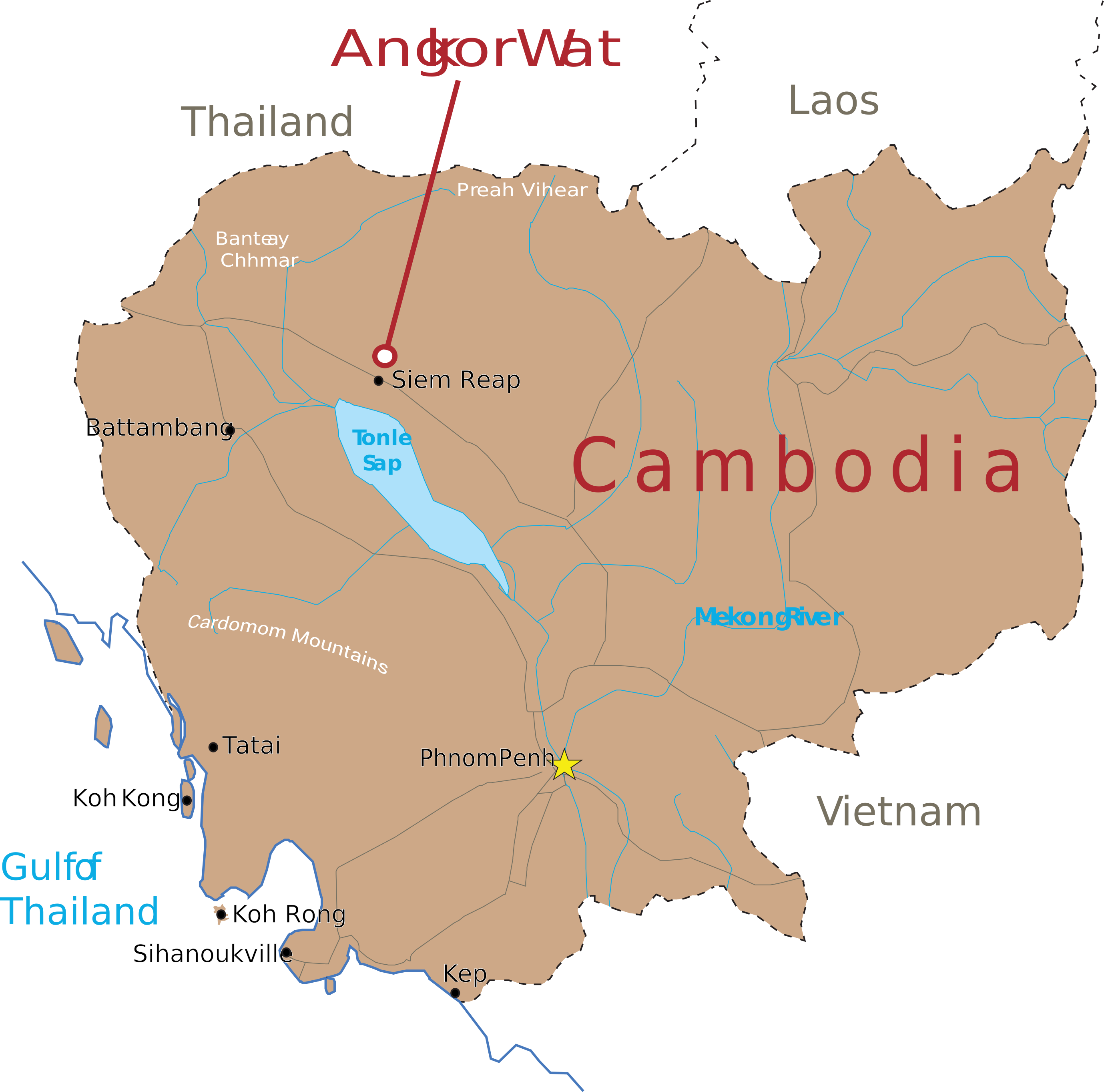
Right now, though the dry season is coming to an end, you can still have a great experience at Angkor Wat. The heaviest rains don’t usually arrive until late July, but visitor numbers are already falling away so there are many quieter moments to enjoy. In August and September it’s best to avoid Cambodia (unless this is the only time of year you can travel). Then, as the rains subside, October marks the start of another ‘secret season’ in Siem Reap that I absolutely love. The landscapes around the Angkor Archaeological Park are beautifully green after the rains, and everything feels fresh and undiscovered. Like May and June, the temples see far fewer visitors and the light is getting better for photography. I also like to include visits to Tonle Sap Lake in luxury Siem Reap itineraries at this time of year. The higher water levels in the Mekong have a knock-on effect on this vast body of water, making it possible to explore areas that are almost inaccessible to visitors during the rest of the year. The contrast of the Angkor temples with these surrounding natural wonders makes travel to Siem Reap always so rewarding.
Sam – May 2026
WHERE AND WHEN
When is the best time to visit Angkor Wat?
The best time to visit Angkor Wat is during the dry season, from November to April. Less rainfall and lower humidity make exploring the temples very comfortable. There is also a higher chance of clearer skies at sunrise. The lower temperatures are perfect if you’d like to explore some of the surrounding temples by e-bike. Average temperatures in Siem Reap are around 20C to 30C (68F to 86F), rising to approximately 25C to 35C (77F to 95F) in the warmer months of March and April.
June to October is considered to be the rainy season in Cambodia, though it is still possible to visit Angkor Wat at this time. The months we recommend you avoid are August and September, when the heaviest rains fall. Observing and photographing Angkor Wat might be less enjoyable if you coincide with heavy rain. It can also limit your enjoyment of the surrounding temples, as tracks around the wider Angkor Archaeological Park may be muddier. Temperatures sit around 24C to 32C (75F to 90F) during the rainy season.
The shoulder seasons can be excellent for an Angkor Wat luxury vacation. By October and November the heaviest rains are easing. You are more likely to experience short showers rather than prolonged rain, and the landscapes feel fresh and green. The Angkor temples feel quieter than during the dry season. This quieter feel can also be enjoyed in May and early June. For both periods, expect warm temperatures, typically around 25C to 34C (77F to 93F). We can easily manage the heat on a private Angkor Wat itinerary, planning temple visits in the early morning and allowing for leisurely afternoons by the pool.
What are the best luxury hotels near Angkor Wat?
The finest hotels are found in and around Siem Reap, which is the main base for visiting the temples. For a luxury Angkor Wat vacation, we recommend choosing a base that balances ease of access to the temples with a peaceful setting to relax after busy mornings exploring.
Our Cambodia specialists have visited the best luxury hotels near Angkor Wat personally. They will make recommendations based on how you normally like to travel, but there are a number of standout options. Phum Baitang’s spacious guest villas offer a true sense of place, designed around the concept of a traditional Khmer village. Surrounded by rice paddies, you feel like you’re staying in rural Cambodia but with a spa and exceptional dining to complement your stay. Raffles Grand Hotel d’Angkor appeals to anyone with a love of traditional luxury and heritage properties. This 1930s grande dame feels like a true landmark hotel, but it also delivers everything you need for relaxation between temple visits. The large swimming pool set around beautifully manicured gardens is a highlight. Amansara is another hotel with heritage, set in a former guest residence of King Sihanouk. As with other Aman properties, the feel here is of a calm, exclusive sanctuary with minimal fuss. Expect clean lines, polished service, and Aman’s signature spa and wellness focus. Contact our knowledgeable Cambodia specialists for further advice on the best places to stay in and around Siem Reap based on your preferences and budget.